You Won’t Believe What I Found in Gwangju—This Is Next-Level
When I told friends I was heading to Gwangju, most blinked twice. “Isn’t that just a city on the way to somewhere else?” they asked. But what I discovered shattered that myth. Hidden in plain sight are viewpoints so quiet, so breathtaking, they feel like secrets. No crowds, no filters needed—just raw beauty and moments that stick. This isn’t about ticking off famous spots; it’s about feeling a place. And Gwangju? It surprised the hell out of me.
Reimagining Gwangju: Beyond the Map
Gwangju is often overlooked in travel itineraries, dismissed as a regional hub tucked between Seoul and Busan, more known for its role in modern history than its scenic offerings. Yet this perception misses the soul of the city entirely. Far from being a mere transit point, Gwangju pulses with cultural depth, artistic energy, and a landscape shaped by gentle mountains and meandering rivers. Its true charm lies not in grand monuments but in the subtle harmony between urban life and nature’s quiet persistence. The city unfolds in layers—each neighborhood, hillside, and riverside path revealing a different facet of South Korea’s southern heartland.
What makes Gwangju remarkable is how easily it rewards curiosity. Unlike destinations built for mass tourism, where experiences are packaged and predictable, Gwangju invites travelers to explore at their own pace. There’s no pressure to follow a checklist. Instead, the city offers space—space to wander, to pause, to notice the way morning light catches the rooftops of traditional hanok homes or how mist curls around the base of Mudeungsan at dawn. This sense of discovery isn’t accidental; it’s woven into the city’s identity. Gwangju values authenticity over spectacle, and that makes all the difference for those seeking meaningful travel experiences.
For the mindful traveler, especially those who appreciate balance—between activity and stillness, exploration and reflection—Gwangju presents an ideal destination. It’s a place where one can enjoy the comforts of a well-connected city while stepping into serene natural settings within minutes. The rhythm of life here feels measured, unhurried, allowing visitors to sync with a slower, more intentional pace. This isn’t a city that shouts for attention. It waits. And when you take the time to look closely, you begin to see what others miss.
The Allure of Hidden Vistas: Why Less-Touristed Spots Matter
In an age where popular destinations are often crowded, over-photographed, and filtered beyond recognition, the value of solitude in travel cannot be overstated. Hidden viewpoints offer more than just unobstructed scenery—they provide clarity. When you stand at a quiet overlook with no one else in sight, the world seems to slow down. Sounds become crisper: the rustle of leaves, the distant call of birds, the soft rush of wind through the trees. These moments allow for deeper connection, not just with the landscape, but with oneself.
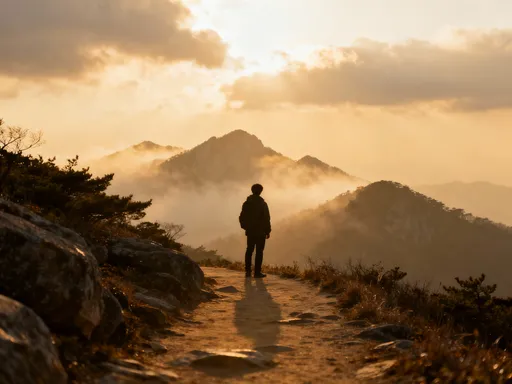
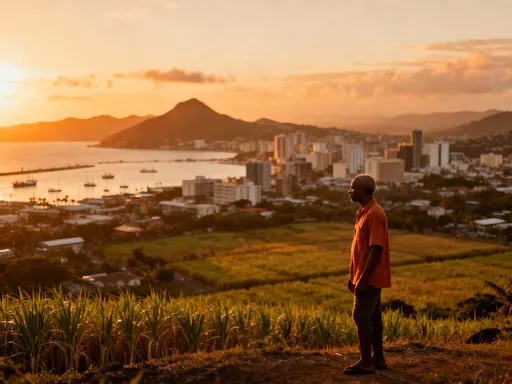
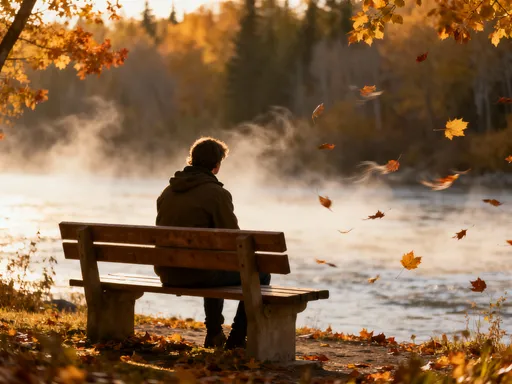
Gwangju excels in offering such experiences. Consider the early morning view from a lesser-known trail on Mudeungsan, where the first light spills across the valley below, painting the hills in soft gold and lavender. Or picture a riverside bench near Yeosan-dong, where the Yeongsan River glides past reeds and willows, reflecting the sky like polished glass. These are not staged photo ops. They are real, unscripted moments of beauty, accessible to those willing to step slightly off the main paths.
The emotional resonance of these places comes from their authenticity. There are no souvenir stalls, no guided tour groups, no loudspeakers announcing historical facts. Just peace. This absence of commercialization allows visitors to engage with the environment on a personal level. For many, especially women in the 30–55 age range who may be balancing family, work, and personal well-being, such spaces offer a rare opportunity for restoration. Travel becomes less about consumption and more about presence—about breathing deeply, listening closely, and remembering what it feels like to simply be.
Moreover, these quiet spots foster a sense of discovery that is increasingly rare in modern tourism. Finding a secluded bench with a perfect view, or rounding a bend in the trail to see an unexpected panorama, creates a quiet thrill. It’s not adrenaline-pumping excitement, but a gentle joy—the kind that lingers. And in a world that often feels overscheduled and overstimulated, that kind of joy is priceless.
Mudeungsan National Park: Trails That Whisper Instead of Shout
Rising like a green sentinel over Gwangju, Mudeungsan National Park is the city’s natural crown. While many visitors flock to the most direct routes, such as the main trail from Sangmudae, there are quieter alternatives that deliver equally stunning views with far fewer people. One such path begins at Jeungsimsa Temple, a serene Buddhist site nestled in the eastern foothills. The trail from here winds gently upward through moss-covered stone steps, ancient pines, and patches of wildflowers. It’s a meditative ascent, where the rhythm of walking becomes a form of mindfulness.
Another under-the-radar option is the eastern ridgeline trail, which offers panoramic views of the surrounding countryside without the congestion of the summit routes. This path is less frequented because it requires a bit more planning—access often involves a local bus or a short taxi ride to the trailhead—but the effort is well worth it. The terrain is manageable for most fitness levels, with well-maintained gravel paths and wooden boardwalks in steeper sections. Along the way, hikers pass through cool forest canopies and occasional clearings where the breeze carries the scent of pine and damp earth.
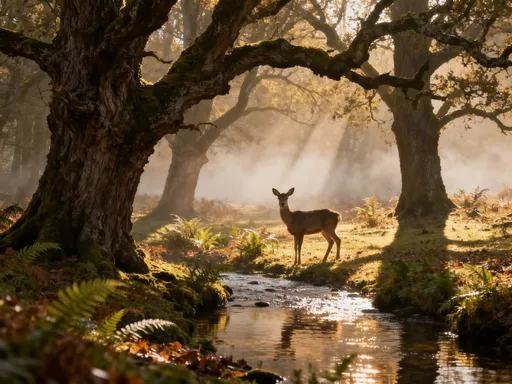
Timing is key to maximizing the experience. Early mornings, especially on weekdays, offer the best chance for solitude. Sunrise from the higher elevations casts a golden glow over the valleys, while mist rises from the treetops like breath. Late afternoons bring softer light, ideal for photography and quiet reflection. To avoid crowds, it’s wise to steer clear of weekends and national holidays, when local families often visit for day hikes.
Practical preparation enhances comfort and safety. Sturdy hiking shoes with good grip are recommended, as some sections can be slippery after rain. A light backpack with water, a snack, and a windbreaker is sufficient for most half-day treks. Public transportation options include city buses that run to major trailheads, though schedules may be less frequent than in larger cities. For those unfamiliar with the routes, stopping by the Gwangju Tourism Information Center for a map and current trail conditions is a smart first step. The staff are typically helpful and may even suggest lesser-known access points based on the season and weather.
Urban Lookouts with Soul: Rooftops and Alleyway Perspectives
While nature dominates Gwangju’s appeal, the city itself holds its own quiet vantage points—places where urban life and scenic beauty intersect. These are not flashy observation decks, but modest, often overlooked spots cherished by locals. One such example is a small café in the downtown area, perched on an upper floor with large windows facing west. In the late afternoon, sunlight floods the room, illuminating the city skyline and the distant outline of Mudeungsan. Patrons sip herbal tea in silence, watching the day fade into dusk. It’s a simple pleasure, but deeply satisfying.
Another rewarding location is the elevated walking trail surrounding Gwangju World Cup Stadium. Far from the roar of match days, this path offers wide-open views of the city’s green belts and sports complexes. Joggers, dog walkers, and elderly couples stroll here in the evenings, enjoying the cool air and the sight of kites dancing in the sky. Benches are placed at intervals, inviting pause and conversation. The atmosphere is relaxed, inclusive, and distinctly Korean in its blend of recreation and community.
Sangmu Plaza, often bypassed by tourists, is another hidden gem. Its wide pedestrian zones and tree-lined walkways lead to grassy areas where families gather on weekends. From certain angles, the plaza frames a perfect view of the city center, with modern buildings softened by seasonal foliage. In spring, cherry blossoms line the paths; in autumn, ginkgo trees turn golden. These natural touches make the urban space feel more human, more livable.
What unites these urban lookouts is their accessibility and authenticity. They don’t require tickets or long commutes. They are woven into daily life, open to anyone who takes the time to notice. For travelers, especially those traveling solo or with limited mobility, these spots offer a way to experience the city without exertion. They are places to sit, observe, and absorb the rhythm of Gwangju—not as a tourist, but as a temporary resident.
Riverside Reverie: Following the Yeongsan River Off the Grid
The Yeongsan River flows through Gwangju like a quiet companion, shaping the city’s geography and offering a network of trails and green spaces rarely highlighted in guidebooks. While parts of the riverbank are developed for recreation, there are stretches that remain peaceful and under-visited. One such area is near Nokdong, where the river widens and the path turns to packed gravel, flanked by reeds and willow trees. Cyclists glide by on shared lanes, while walkers follow narrower footpaths that hug the water’s edge.
Another tranquil section lies west of the city, where the river meets wetland areas teeming with birdlife. This is prime territory for birdwatching, especially in the early morning hours. Herons, kingfishers, and migratory waterfowl can often be spotted among the reeds. Benches and small viewing platforms are thoughtfully placed, allowing for quiet observation without disturbing the natural habitat. The air here carries a clean, earthy scent—a reminder of how close Gwangju remains to the natural world.
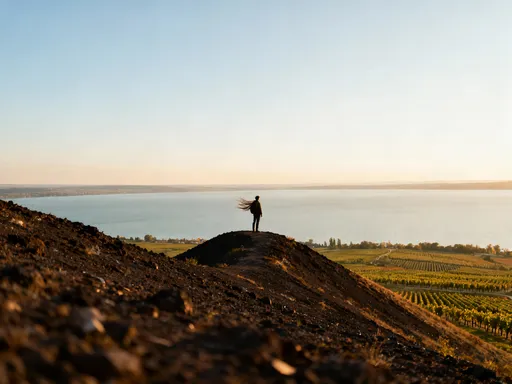
Cycling along the river is a popular local pastime, and bike rentals are available at several access points. The routes are well-marked and mostly flat, making them suitable for riders of all ages. Families often come on weekends, packing picnics and stopping at riverside parks. For solo travelers or those seeking solitude, weekdays offer a more peaceful experience. The golden hour—just before sunset—transforms the river into a mirror of light, with the sky ablaze in hues of pink and orange. It’s a magical time for photography or simply sitting on a bench with a journal.
Access to these riverside areas is straightforward, with city buses serving major entry points and ample parking for those with rental cars. Safety is generally excellent, with well-lit paths and regular patrols in more populated zones. For added comfort, visitors should bring water, sunscreen, and a light jacket for evening breezes. Insect repellent may be useful during warmer months, particularly near wetland areas. Overall, the Yeongsan River offers a gentle, restorative way to experience Gwangju—one that emphasizes connection, calm, and the simple joy of being outdoors.
Culture Meets Landscape: Viewing Points with a Story
In Gwangju, scenery and history are not separate—they are intertwined. Some of the most moving viewpoints are those where the land itself holds memory. The May 18th National Cemetery, set on a hillside overlooking the city, is one such place. The climb to the memorial is lined with stone paths and evergreen trees, creating a solemn yet peaceful atmosphere. From the top, visitors are rewarded with a sweeping view of Gwangju, but the true impact lies in the quiet reflection the space invites. It is a place of remembrance, dignity, and resilience.
Equally powerful are the traditional hanok villages tucked into the slopes on the city’s outskirts. These clusters of tiled-roof homes are not tourist recreations but living communities, where elders sit in doorways and children play in courtyards. Walking through these neighborhoods offers more than picturesque views—it provides a window into a way of life that values harmony with nature and intergenerational connection. The homes are built to follow the contours of the land, their rooftops echoing the curves of the hills. From a distance, they look like brushstrokes on a landscape painting.
Visiting these cultural sites requires mindfulness. They are not theme parks but real places where people live and remember. Respecting local customs—such as speaking softly, not entering private areas, and refraining from intrusive photography—is essential. Informational signs, often available in both Korean and English, help contextualize what visitors are seeing. For those interested in deeper understanding, guided tours led by local historians or cultural volunteers are occasionally available through the tourism office.
These locations remind us that the most meaningful travel experiences often come not from seeing, but from understanding. A view is more powerful when it carries a story. In Gwangju, the land remembers, and in paying attention, we honor that memory. This kind of travel doesn’t just feed the eyes—it nourishes the heart.
Chasing the Light: Timing, Weather, and the Perfect Shot
To fully appreciate Gwangju’s hidden beauty, timing is everything. The quality of light can transform an ordinary scene into something extraordinary. The golden hour—shortly after sunrise and before sunset—paints the city and countryside in warm, soft tones, ideal for photography and quiet contemplation. During these times, shadows lengthen, colors deepen, and the air feels still, as if the world is holding its breath.
Seasonal changes also play a crucial role in shaping the experience. Spring brings cherry blossoms to parks and riverbanks, their delicate pink petals drifting on the breeze. By late April, the higher slopes of Mudeungsan are dotted with azaleas, creating bursts of color against the green backdrop. Summer offers lush foliage and long evenings, perfect for riverside walks. Autumn is perhaps the most visually striking, as ginkgo and maple trees turn brilliant shades of gold, orange, and red. Winter, though quieter, has its own charm—frosted grass, clear skies, and unobstructed views from the hills.
Weather patterns influence visibility, especially in mountainous areas. Clear days after rain often yield the sharpest views, with the air washed clean and the horizon sharply defined. Foggy mornings, while limiting long-distance sightlines, can create ethereal, dreamlike atmospheres in the forests and valleys. Checking local forecasts before heading out helps ensure optimal conditions.
For those interested in capturing moments, lightweight gear is sufficient. A smartphone with a good camera or a compact mirrorless model works well. Tripods are useful for low-light shots but should be used considerately in shared spaces. Free planning apps can help track sunrise and sunset times, moon phases, and weather trends. While specific brands are not endorsed, most app stores offer reliable options for photo enthusiasts. The goal is not perfection, but presence—recording not just what was seen, but how it felt.
Conclusion
Gwangju doesn’t demand attention—it invites you to look closer. Its true beauty lies not in spotlighted landmarks but in the silent hills, riverbanks, and rooftops where few wander. These viewing experiences aren’t just seen; they’re felt. By stepping off the expected path, travelers gain more than sights: they gain presence. And sometimes, that’s exactly what a journey needs. For women who value depth, authenticity, and moments of quiet reflection, Gwangju offers a rare gift—a destination that doesn’t dazzle, but reveals. It’s not about what you post online. It’s about what stays with you long after you’ve returned home. In the end, the best travel memories aren’t the loudest. They’re the ones that linger in silence.