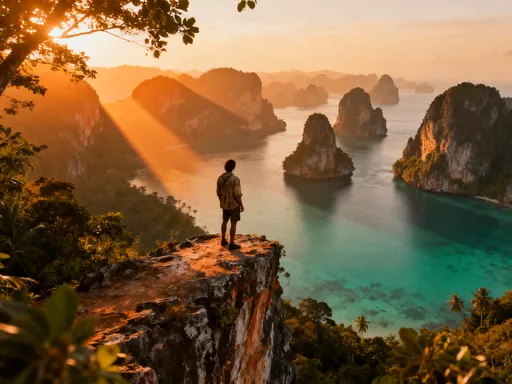
You Won’t Believe These Secret Viewpoints at Lake Balaton
Nestled in the heart of Hungary, Lake Balaton isn’t just Europe’s largest freshwater lake—it’s a landscape painter’s dream come to life. I went searching for the most breathtaking viewpoints, and what I found blew my expectations away. From quiet hilltops to hidden shores, each spot offered a unique perspective of water, vineyards, and villages. If you’re chasing beauty that feels untouched and real, these vantage points are your golden ticket. More than just scenic stops, they invite stillness, wonder, and a deeper connection with nature. For travelers who value both serenity and splendor, Lake Balaton delivers an experience that lingers long after the journey ends.
Introduction to Lake Balaton’s Natural Allure
Lake Balaton stretches across central Hungary like a shimmering ribbon, spanning over 77 kilometers in length and reaching widths of up to 14 kilometers. Its surface covers approximately 592 square kilometers, making it the largest permanent body of freshwater in Central Europe. Often referred to as the “Hungarian Sea,” this vast lake is not only a geographical marvel but also a cultural cornerstone for families, artists, and nature lovers across generations. Surrounded by rolling hills, dense forests, and fertile vineyards, the lake benefits from a mild microclimate that supports lush greenery and a thriving agricultural tradition, especially in wine production.
What makes Lake Balaton truly special is its regional diversity. The northern shore, shaped by ancient volcanic activity, features dramatic elevations and rugged terrain, while the southern side offers gentle slopes and expansive beaches perfect for swimming and sunbathing. This contrast creates a dynamic landscape where every bend in the road reveals a new vista. Towns like Tihany, Badacsony, and Keszthely each carry their own charm, blending history, architecture, and natural beauty into a harmonious whole. For travelers, these variations mean endless opportunities to discover unique perspectives.
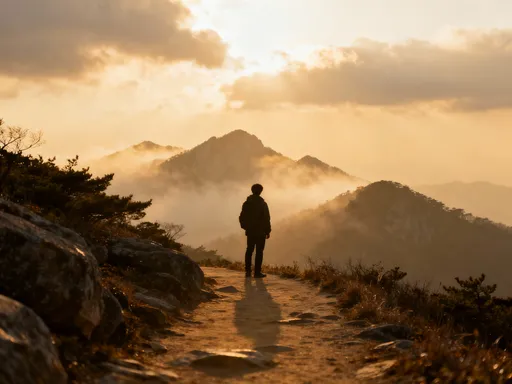
Viewpoints play a crucial role in unlocking the full essence of Lake Balaton. While many visitors enjoy the lakeside promenades and sandy shores, those who seek higher ground are rewarded with panoramic visions that transform the way they see the region. A simple climb can shift the entire experience—from observing the lake at eye level to witnessing it as part of a grander tapestry. These elevated outlooks allow travelers to appreciate the interplay of light, water, and land in ways that ground-level views simply cannot match. Whether perched on a centuries-old stone wall or standing at the edge of a vineyard-covered hill, each vantage point tells a different story of place and presence.
Why Viewpoints Transform a Simple Trip into a Memory
There is something deeply human about seeking high ground when exploring a new place. It’s not just about getting a better photo; it’s about gaining perspective—both literally and emotionally. When travelers pause at a scenic overlook, time seems to slow. The mind shifts from constant motion to quiet observation. This moment of stillness often becomes the most memorable part of a journey, long after the details of hotels or meals have faded. Research in environmental psychology suggests that panoramic views of natural landscapes trigger a sense of awe, a powerful emotion linked to improved well-being, increased mindfulness, and greater life satisfaction.
At Lake Balaton, this effect is amplified by the sheer scale and beauty of the surroundings. Standing atop a hill with the lake stretching endlessly below, framed by distant hills and patchwork fields, one cannot help but feel a sense of connection—to nature, to the moment, and to something larger than oneself. The visual vastness mirrors inner spaciousness, offering clarity and calm. It’s no wonder that many visitors describe these elevated moments as “resetting” their mental state, especially those balancing busy family lives or demanding careers.
Moreover, viewpoints serve as natural gathering points for reflection and conversation. They provide a shared space where families can pause together, point out distant landmarks, or simply breathe in the fresh air. For mothers and caregivers who often put others’ needs first, these quiet moments on a hillside offer rare opportunities for personal reconnection. The physical act of climbing—moderate yet purposeful—adds a layer of accomplishment, reinforcing the idea that beauty is worth the effort. By intentionally seeking out these elevated spots, travelers transform a routine vacation into a meaningful experience rooted in presence and gratitude.
Tihany Peninsula: The Classic Vista with a Soul
Among the most celebrated viewpoints at Lake Balaton is the one at Tihany Peninsula, a slender stretch of land jutting into the northern part of the lake. Home to the historic Tihany Abbey, founded in 1055 by King Andrew I, this site offers more than just a scenic overlook—it offers a journey through time. Perched on a gentle rise, the abbey’s terrace provides a sweeping panorama of the lake’s northeastern basin, with the water reflecting the sky in ever-changing hues. On clear days, the opposite shore appears as a soft blue silhouette, while boats leave delicate trails across the surface like brushstrokes on canvas.
What sets this viewpoint apart is its balance of accessibility and grandeur. Visitors can reach the terrace via a paved path from the parking area, making it suitable for families and older adults. Yet, the emotional impact remains profound. As sunlight dances across the water during late afternoon, the view takes on a golden glow, particularly striking during spring and early autumn when crowds are thinner. For those seeking solitude, arriving shortly after sunrise offers a chance to experience the lake in near silence, broken only by birdsong and the soft lap of waves below.
Nearby walking trails, such as the Tihany Nature Reserve path, extend the experience beyond the main viewpoint. These shaded routes wind through fragrant herbs, wildflowers, and ancient juniper trees, offering occasional clearings with private lake views. Along the way, informational signs describe the local flora and the peninsula’s ecological significance. After soaking in the vista, many travelers enjoy a meal at a family-run restaurant in the village, where homemade fish soup and fresh bread provide a comforting end to a reflective morning. Tihany proves that even the most famous viewpoints can retain their soul when approached with intention.
Badacsony Hill: Where Volcanic Cliffs Meet Endless Blue
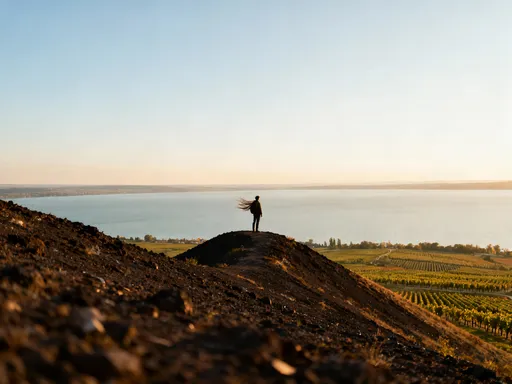
Rising 437 meters above sea level, Badacsony Hill is one of the most dramatic vantage points along Lake Balaton’s northern shore. Formed by ancient volcanic activity, this dormant peak offers a rugged landscape of basalt columns and forested slopes that abruptly give way to sweeping lake views. The ascent, whether by foot or bicycle, is moderately challenging but deeply rewarding. Trails begin from the village of Badacsonytomaj and wind upward through vineyard terraces, where rows of grapevines cling to steep inclines, nurtured by the sun-drenched southern exposure.
Halfway up, hikers are treated to their first full glimpse of the lake—an expansive stretch of blue framed by distant hills and scattered islands. By the time they reach the summit cross, the panorama is nothing short of majestic. On clear days, visibility extends over 30 kilometers, encompassing multiple towns, forests, and the full curvature of the lake’s shoreline. The contrast between the dark volcanic rock and the bright water below creates a striking visual dynamic, often described as elemental and timeless.
Equally important is the cultural context of Badacsony. This region has been a wine-growing area for centuries, with local varieties like Olaszrizling and Kéknyelű thriving in the mineral-rich soil. Many visitors choose to end their hike at a family-owned winery, where a glass of crisp white wine is served with local cheeses and smoked meats on a terrace facing the lake. This tradition enhances the viewing experience, turning a physical journey into a sensory celebration. The combination of natural grandeur and human hospitality makes Badacsony more than just a viewpoint—it becomes a memory etched in both sight and taste.
Szigliget Castle Ruins: A Wilder Way to See the Lake
For travelers seeking a more adventurous perspective, the ruins of Szigliget Castle offer a thrilling alternative. Perched atop a steep limestone hill, this medieval fortress dates back to the 13th century and now stands in romantic disrepair, its crumbling walls and staircases adding to the sense of discovery. The trail to the top is less polished than others in the region—uneven stone steps, exposed roots, and occasional iron railings guide the way through dense woodland. While not recommended for very young children or those with mobility concerns, the path is manageable for moderately fit adults and older teens.
What awaits at the summit is a raw, unfiltered view of Lake Balaton. Unlike the manicured terraces of Tihany or the open slopes of Badacsony, Szigliget offers a wilder, more intimate connection with the landscape. The castle’s remaining towers and battlements frame the lake like natural picture windows, drawing the eye to specific details—a fishing boat cutting through the waves, a distant village nestled in the hills, or a flock of birds gliding over the water. The sense of isolation is palpable, especially on weekday mornings when few other visitors are present.
Footwear with good grip is essential, as the final stretch can be slippery after rain. Bringing water and a light snack is advisable, as there are no facilities on the trail. Once the climb is complete, the reward is more than visual—it’s emotional. Standing within the ancient walls, one feels a deep sense of history and resilience. The view from Szigliget is not just about beauty; it’s about endurance, perspective, and the quiet triumph of reaching a place that feels earned. After descending, a visit to the village of Szigliget offers a chance to rest at a local tavern, where hearty stews and homemade dumplings provide nourishment and warmth.
Keszthely and the Festetics Estate Outlooks
On the western shore of Lake Balaton, the town of Keszthely offers a more refined vantage experience centered around the magnificent Festetics Palace. This 18th-century aristocratic estate, one of Hungary’s grandest Baroque mansions, sits just a short walk from the lakeshore and includes expansive gardens designed in the English landscape style. While the palace itself is a major attraction, it is the network of garden paths and elevated terraces that provide some of the most elegant lake views in the region.
The main garden overlook, positioned near a classical-style pavilion, offers a carefully composed vista—manicured lawns slope gently toward the water, where swans glide across a protected cove. In the distance, the open lake sparkles under the sun, framed by the soft curves of the shoreline. Unlike the dramatic cliffs of the north, this perspective emphasizes harmony, balance, and cultivated beauty. Strolling through the gardens, visitors pass fountains, ancient trees, and hidden benches that invite quiet contemplation.
What makes this location particularly appealing to families is its accessibility and peaceful atmosphere. Strollers can navigate most paths, and the shaded areas provide relief on warm days. The palace also hosts a museum and a music library, allowing travelers to combine cultural enrichment with scenic enjoyment. In late summer, open-air concerts are held in the garden, where classical music floats over the landscape as the sun sets behind the trees. These moments—listening to a violin under the stars while gazing at the darkening lake—capture the quiet magic of Keszthely, a place where elegance and nature coexist in perfect harmony.
Hidden Gems: Local-Favorite Spots Off the Tourist Map
Beyond the well-known landmarks lie quieter, lesser-publicized viewpoints cherished by local residents. These hidden spots offer serenity and authenticity, often discovered by chance or passed down through generations. Along the northern coast, for example, there are unmarked pull-offs where drivers can pause on quiet country roads and step onto a grassy ledge overlooking the lake. These places lack signage or facilities, but they provide uninterrupted views and a sense of privacy rarely found at popular sites.
In Balatonfüred, a lakeside town known for its healing waters, elevated footpaths wind through residential neighborhoods behind the main promenade. One such path, accessible from the upper end of Petőfi Street, climbs gently through a grove of chestnut trees and opens onto a small stone platform with a panoramic view of the bay. Locals often stop here in the early evening to watch the sunset, sipping tea from thermoses or reading quietly on a bench. There are no vendors, no crowds—just the sound of the lake and the rustle of leaves.
Another favorite is a vineyard path near the village of Csobánc, where a narrow dirt trail leads to a natural overlook surrounded by grapevines and wild herbs. From here, the lake appears in the distance, partially obscured by rolling hills, creating a sense of discovery. These hidden vantage points remind travelers that some of the most meaningful experiences come not from guidebooks, but from slowing down, wandering with curiosity, and being open to the unexpected. They are the quiet heartbeats of Lake Balaton—unhurried, genuine, and deeply peaceful.
Conclusion: Chasing Light, Finding Perspective
Each viewpoint around Lake Balaton offers more than just a beautiful scene—it offers a shift in awareness. Whether standing atop a volcanic peak, walking through aristocratic gardens, or pausing at a nameless roadside ledge, travelers are invited to see not only the lake but themselves with greater clarity. These elevated moments become anchors in memory, places where the mind quiets and the heart expands. For women who nurture families, manage households, and carry invisible emotional labor, such spaces are not luxuries—they are necessities.
Lake Balaton’s horizons remind us that beauty is not always loud or crowded. Sometimes, it is found in stillness, in the soft light of dawn, or in the quiet company of a loved one watching the water change color with the hour. The act of seeking high ground—literally and metaphorically—becomes a form of self-care, a way to reclaim perspective in a busy world. So when planning your next journey, don’t just follow the crowds. Look up, climb higher, and let the view reshape your day, your mood, and your sense of what travel can be. Let Lake Balaton’s secret viewpoints show you not just a new landscape, but a new way of seeing.