Taste of the Wild: How Wales’ Protected Landscapes Fuel Its Freshest Flavors
Wales’ protected landscapes are not just breathtaking—they’re delicious. From misty mountain farms to coastal inlets teeming with life, nature here shapes every bite. I never expected that hiking through Snowdonia or wandering Pembrokeshire’s quiet trails would lead to such unforgettable meals. This is food rooted in place: wild, honest, and deeply local. Let me take you where scenery and flavor meet. In Wales, conservation is not only about preserving views for hikers or safeguarding habitats for birds—it’s also about protecting the very sources of its culinary soul. The clean air, pure water, and untouched soils of its national parks and protected coasts create conditions few places can match. What grows here tastes different. What grazes here thrives differently. And what ends up on your plate tells a story older than borders—of land, sea, and people living in quiet harmony.
Introduction to Wales’ Natural Heritage and Culinary Identity
Wales is a country where nature and nourishment are inseparable. Over a quarter of its land enjoys some form of environmental protection, including three national parks—Snowdonia, Pembrokeshire Coast, and the Brecon Beacons—as well as Areas of Outstanding Natural Beauty and UNESCO-designated biosphere reserves like the Dyfi Valley. These designations are not merely symbolic; they enforce land management practices that limit industrial development, chemical use, and overfishing, ensuring ecosystems remain balanced and resilient. This careful stewardship has an unexpected but powerful side effect: it preserves the integrity of local food production. In an age of mass agriculture and global supply chains, Wales stands apart. Its protected landscapes act as living laboratories for sustainable farming, wild harvesting, and artisanal craftsmanship. The result is food that reflects the character of the land—what the French call terroir, and what the Welsh simply know as “the way things should taste.”
The connection between land protection and food quality runs deep. Clean mountain streams feed dairy herds whose milk becomes rich, grassy cheeses. Windswept coastal cliffs host seabird colonies whose droppings enrich the soil of nearby pastures. Seaweed harvested from protected shores carries the briny essence of Atlantic tides. Every ingredient bears the imprint of its origin. Moreover, many traditional food practices in Wales have survived precisely because these areas have resisted homogenization. Hill farming, small-scale fishing, and foraging are not romantic throwbacks—they are necessary adaptations to rugged terrain and limited arable land. Conservation policies support these ways of life by providing funding, regulating land use, and promoting eco-tourism. Thus, when visitors enjoy a bowl of mussels from a coastal village or a slice of hand-labeled honey from a mountain apiary, they are participating in a system where environmental health and food authenticity go hand in hand.
Snowdonia: Mountains That Shape Taste
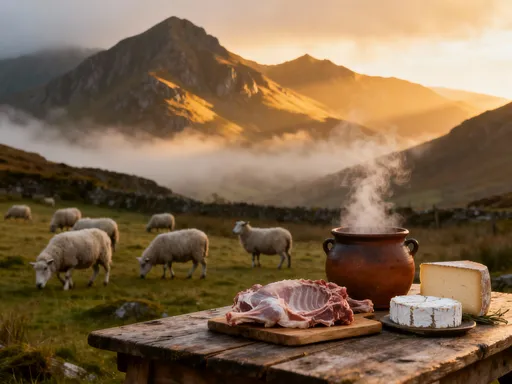
Snowdonia National Park, with its jagged peaks and rolling uplands, is more than a hiker’s paradise—it is a cradle of culinary tradition shaped by altitude, climate, and centuries of pastoral farming. The park covers nearly 900 square miles of rugged terrain, much of it used for grazing hardy breeds like Welsh mountain sheep and rare cattle such as the Welsh Black. These animals roam freely across open moorland, feeding on wild grasses, heather, and mountain herbs. Their diet, influenced by the mineral-rich soil and clean air, imparts a distinctive depth of flavor to their meat and milk—leaner, more aromatic, and less fatty than commercially raised livestock. This is not accidental; it is the product of a delicate balance between human care and natural advantage, protected by strict land-use regulations.
Local cheesemakers in Snowdonia have long understood this connection. At small dairies tucked into valley farms, artisans transform raw milk into award-winning cheeses using time-honored methods. One such producer, nestled near the village of Betws-y-Coed, crafts a semi-hard cheese infused with wild garlic harvested in spring—a flavor that captures the awakening of the forest floor. Another, located in the Ogwen Valley, uses unpasteurized milk from pedigree herds to create a creamy blue cheese aged in natural limestone caves, where humidity and temperature remain constant year-round. These processes cannot be replicated in industrial settings; they depend on the unique microclimates and biodiversity preserved within the park’s boundaries. Even the timing of production follows nature’s rhythm: lambing season determines milk availability, and summer grazing yields the richest cream.
Visitors can experience this mountain-to-table philosophy firsthand at farm-run cafés and seasonal food stalls. One popular stop along the A498 route offers a simple menu: grilled Welsh lamb burgers on sourdough baked that morning, served with pickled beetroot and a side of wild greens. There is no menu engineering here—just ingredients pulled from the land that morning. A glass of locally brewed elderflower cordial completes the meal, its floral notes echoing the blossoms seen blooming beside the trail. To eat here is to understand that freshness is not just a marketing term; it is a daily reality. And when you stand afterward on a nearby ridge, looking out over sheep-dotted slopes under a shifting sky, the meal takes on new meaning. It was not just sustenance—it was a direct taste of the landscape itself.
Pembrokeshire Coast: Where the Sea Meets the Plate
If Snowdonia speaks of earth and elevation, the Pembrokeshire Coast National Park sings of salt and tide. Stretching over 180 miles of coastline, this protected marine environment is home to some of the cleanest waters in the British Isles. Its sheltered bays, rocky inlets, and tidal estuaries support a rich web of marine life, making it a haven for sustainable seafood. The park’s designation ensures strict controls on pollution, dredging, and overfishing, allowing shellfish beds to regenerate and fish populations to stabilize. As a result, local fishermen continue to harvest mussels, oysters, crab, and lobster using low-impact methods—hand lines, creels, and small nets—that minimize damage to the seabed. This commitment to ecological balance translates directly to the plate: seafood here is plump, clean-tasting, and alive with oceanic freshness.
One of the most celebrated delicacies is the native oyster, harvested from the Dale Peninsula during the cooler months. These oysters feed on nutrient-rich plankton carried by tidal currents, developing a complex flavor profile—sweet, metallic, and slightly saline. They are often served raw at coastal pubs, perched on beds of crushed ice with a squeeze of lemon and a dash of local seaweed vinegar. Equally prized are the rope-grown mussels from the Milford Haven Waterway, a designated Special Area of Conservation. Grown in suspended lines, these mussels filter pure seawater continuously, resulting in tender flesh with a deep umami character. Many restaurants within the park proudly display the origin of their seafood, sometimes listing the exact cove or farm, reinforcing the transparency and pride behind each dish.
Seaweed harvesting has also seen a revival, guided by both tradition and sustainability. Licensed foragers collect species like laver, dulse, and bladderwrack during specific seasons, ensuring regrowth. Laver, in particular, has a long history in Welsh cuisine—it was once used to make laverbread, a savory paste traditionally served with breakfast. Today, chefs incorporate it into modern dishes: as a crispy garnish on fish, a seasoning in butter, or even blended into pasta dough for a briny green hue. At a family-run inn near St. Davids, diners might enjoy a starter of pan-seared scallops atop a bed of warm laver and roasted squash, finished with a drizzle of rapeseed oil from a nearby organic farm. The dish is more than delicious; it is a narrative of place, connecting sea, soil, and human ingenuity.
Dining along the Pembrokeshire coast is not just about luxury—it is about continuity. Many coastal communities rely on fishing and aquaculture as primary livelihoods, and conservation efforts help ensure these traditions endure. By choosing restaurants that source locally and seasonally, visitors contribute to this cycle. Even simple meals—such as a crab sandwich eaten on a harbor wall while watching boats return at dusk—become acts of cultural preservation. Here, the sea does not merely supply food; it defines identity.
The Brecon Beacons: Hidden Farms and Foraged Flavors
Inland, the Brecon Beacons National Park offers a quieter, greener dimension of Welsh food culture. Blanketed in moorland, ancient woodlands, and river valleys, this landscape fosters a different kind of abundance—one rooted in soil, sunlight, and seasonal change. Unlike the dramatic cliffs of the coast or the high peaks of Snowdonia, the Beacons’ gentle hills and fertile valleys are ideal for small-scale organic farming and wild food foraging. Here, agriculture is not industrial but intimate, with farmers cultivating heritage crops like purple sprouting broccoli, heritage potatoes, and rare apple varieties in orchards that have stood for generations. Free-range pigs root in oak forests, and flocks of rare-breed chickens peck at insects in rotational pastures, contributing to a closed-loop system that mimics natural ecosystems.
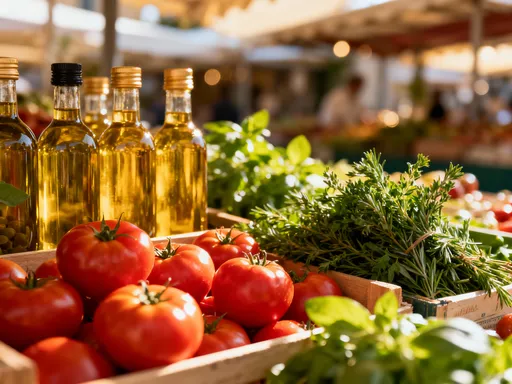
One of the most distinctive features of food in the Brecon Beacons is the emphasis on seasonality and biodiversity. At the weekly farmers’ market in Brecon town, vendors display baskets of just-dug carrots still dusted with soil, jars of wildflower honey collected from upland meadows, and loaves of sourdough made with locally milled wheat. A butcher sells dry-aged beef from cattle raised on diverse pastures rich in clover, yarrow, and vetch—plants that improve soil health and enhance meat flavor. Conversations between buyers and sellers are unhurried, often turning to weather patterns, planting schedules, or the return of certain birds as signs of seasonal shifts. This is food culture as lived knowledge, passed down through observation and practice.
Foraging, too, plays a vital role. Guided walks with certified naturalists introduce visitors to the edible riches of the wild: wood sorrel with its lemony tang, chanterelle mushrooms glowing golden in damp forests, and sweet chestnuts falling from ancient trees in autumn. These ingredients appear in local kitchens—folded into tarts, stirred into risottos, or preserved in syrups and vinegars. A café in Hay-on-Wye, famous for its literary festival, serves a seasonal soup made from foraged mushrooms and wild leeks, garnished with edible flowers from a community garden. Nothing is wasted; even stinging nettles, often seen as weeds, are harvested in spring to make nutrient-dense pesto or tea. This deep respect for nature’s offerings reflects a broader ethic: that food should not be extracted but received with gratitude and care.
The protection of the Brecon Beacons ensures that such practices remain viable. Organic certification is supported by agri-environment grants, and landowners who maintain hedgerows, ponds, and wildflower margins receive financial incentives. These measures not only benefit wildlife but also create the conditions for flavorful, nutrient-rich food. In a world where convenience often trumps quality, the Beacons stand as a reminder that true abundance comes not from yield, but from harmony.
How Protection Policies Support Local Food Economies
Beneath the beauty of Wales’ protected landscapes lies a complex network of policies and programs designed to sustain both nature and community. Conservation is not just about fences and signage—it is an active, ongoing process that involves farmers, fishermen, scientists, and policymakers working together. One of the most impactful tools is the Sustainable Farming Scheme, which provides financial support to landowners who adopt environmentally friendly practices. These include rotational grazing, reduced chemical inputs, and the restoration of native woodlands and wetlands. In return, farmers maintain the ecological integrity of their land while producing high-quality food. This model recognizes that healthy ecosystems are not separate from agriculture—they are its foundation.
Grazing management, in particular, plays a crucial role. In Snowdonia and the Brecon Beacons, controlled sheep grazing prevents scrub encroachment and maintains open habitats essential for birds like the red kite and skylark. At the same time, it ensures that pastures remain diverse and productive, supporting livestock with a varied diet that enhances meat and milk quality. Similarly, in coastal zones, marine conservation zones restrict destructive fishing methods, allowing shellfish populations to recover. These rules are not arbitrary; they are based on scientific monitoring and long-term ecological goals. Yet they also uphold centuries-old traditions, ensuring that small-scale producers are not pushed out by industrial competitors.
Funding mechanisms further strengthen the link between conservation and cuisine. The Welsh government, in partnership with EU-derived programs (now adapted under domestic frameworks), offers grants for rural businesses that promote local food. This includes support for farm diversification—such as opening farm shops, launching food tours, or installing renewable energy systems. It also covers training for young farmers and fishermen, helping to secure the future of these professions. As a result, many family-run operations have been able to modernize without sacrificing their values. A dairy in Ceredigion, for example, used grant funding to install solar panels and upgrade its bottling line, enabling it to supply organic milk to regional schools and cafes while reducing its carbon footprint.
These policies do more than protect the environment—they preserve cultural heritage. When a young shepherd inherits a mountain farm, or a fisherwoman continues her father’s line fishing route, they are not just carrying on a job; they are stewarding a way of life. And when tourists choose to buy directly from these producers, they become part of that stewardship. Every purchase supports conservation indirectly, reinforcing the idea that environmental protection and economic vitality are not opposing forces, but allies.
Practical Tips for Experiencing Food in Wales’ Protected Areas
For travelers seeking authentic culinary experiences in Wales, the key is intentionality. The best meals are often found off the main roads, in village halls, farm gates, or unassuming pub kitchens. Timing matters: visiting in late summer or early autumn means access to the full bounty of harvest—plump berries, ripe apples, and the first flush of wild mushrooms. Spring brings fresh lamb, wild garlic, and tender asparagus from sheltered gardens. While specific restaurants and producers may change, the principles of mindful eating remain constant. Look for signage indicating locally sourced ingredients, ask servers about the origin of dishes, and prioritize places that name their suppliers.
Scenic drives offer both beauty and flavor. The A470 route through the heart of the Brecon Beacons passes numerous farm stands and roadside stalls, especially on weekends. The coastal stretch from Tenby to Newport in Pembrokeshire is dotted with crab shacks and ice cream parlors using local dairy. Walking trails, too, can lead to memorable meals. The Offa’s Dyke Path and the Pembrokeshire Coast Path include rest points near villages with community-run cafés or tearooms serving homemade cakes and savory pies. Some guided walks even combine hiking with food stops, such as a midday break at a sheep farm offering cheese tastings or a boat trip to a tidal island for a seafood picnic.
Eco-conscious dining begins with respect. When visiting rural areas, remember that these communities are not tourist attractions but living, working landscapes. Park responsibly, follow footpath rules, and support businesses that give back to the region. Avoid single-use plastics, carry reusable containers, and consider staying at eco-lodges or farm stays that emphasize sustainability. By traveling thoughtfully, visitors help ensure that these landscapes—and the food they produce—remain vibrant for generations to come.
Conclusion: A Future Where Nature Nourishes Culture
Eating in Wales’ protected landscapes is more than a pleasure—it is a form of participation. Each bite connects you to a web of life: the sheep grazing on mountain slopes, the tides filtering through mussel beds, the hands that milk, harvest, and cook with care. These experiences remind us that food is not a commodity disconnected from its source, but a living expression of place. In choosing to savor Welsh lamb, Pembrokeshire oysters, or Brecon honey, we affirm the value of wild spaces and the people who tend them. We vote, with our plates, for a world where nature is not sacrificed for convenience, but cherished as the wellspring of health, flavor, and belonging.
The future of Welsh food depends on continued protection and conscious consumption. As climate change and global markets exert pressure on rural communities, the role of conservation becomes even more vital. It is not enough to admire the views—we must also support the systems that sustain them. That means buying local, asking questions, and understanding that every meal has an ecosystem behind it. When we eat mindfully, we become stewards in our own right. So the next time you find yourself in Wales, pause before you take that first bite. Look around. Listen to the wind, smell the damp earth, feel the sea spray. Then taste—deeply, gratefully. For in that moment, you are not just eating. You are remembering what it means to belong to the land.