You Won’t Believe These Hidden Natural Gems in Nara
If you think Nara is just about deer and temples, think again. Beyond the postcard-perfect shrines lies a world of untouched forests, serene rivers, and misty mountain trails that feel like secret escapes. I was blown away by how wild and peaceful it all felt. This is nature in its purest form—quiet, radiant, and totally Instagram-worthy without trying too hard. While millions flock to Kyoto and Osaka each year, Nara remains a sanctuary of stillness, where ancient traditions coexist with breathtaking landscapes. It’s a place where every path leads deeper into greenery, and every season paints the land in new hues. For travelers seeking beauty without the bustle, Nara’s hidden natural treasures offer an experience that feels both intimate and timeless.
Why Nara’s Natural Beauty Stands Out
Nara Prefecture, nestled in the Kansai region of Japan, is far more than the sum of its famous landmarks. While Nara Park and Tōdai-ji Temple draw well-deserved attention, the true soul of this region lies in its rich and varied natural terrain. Stretching from gentle lowland meadows to rugged mountain ranges, Nara offers a rare balance of accessibility and wilderness. Over 75% of the prefecture is covered in forest, much of it protected under national park designations or local conservation efforts. This commitment to preservation ensures that trails remain unspoiled, rivers run clear, and wildlife thrives in quiet corners away from the crowds.
What sets Nara apart from other popular Japanese destinations is its ability to offer immersive natural experiences without the overwhelming presence of mass tourism. While Kyoto’s Arashiyama Bamboo Grove or Kamakura’s Daibutsu hiking trail often feel crowded, Nara’s green spaces maintain a sense of solitude. Visitors can walk for hours without encountering more than a few fellow travelers, allowing for moments of true reflection and connection with the environment. The region’s relatively compact size also means that one can easily transition from temple grounds to forested hillsides within minutes, creating a seamless blend of culture and nature.
Another factor contributing to Nara’s unique appeal is its long-standing tradition of harmony between humans and nature. Shinto beliefs, deeply rooted in the reverence for natural elements, have influenced land use and conservation practices for centuries. Sacred groves, spirit stones, and forest shrines are not merely symbolic—they are actively protected spaces where development is restricted. This cultural respect for the natural world has helped maintain ecological balance, allowing native plant species like Japanese cypress and maple trees to flourish. As a result, Nara provides a model of sustainable tourism, where visitors are encouraged to observe, appreciate, and leave no trace.
The Magic of Nara Park Beyond the Deer
Nara Park is often celebrated for its friendly, free-roaming sika deer—a beloved symbol of the city. Yet beyond these gentle creatures lies a landscape of remarkable seasonal beauty and quiet charm. Spanning over 500 hectares, the park is not just an open field but a carefully maintained ecosystem of woodlands, ponds, and walking paths that change dramatically with the seasons. In spring, the air fills with the soft pink haze of cherry blossoms, particularly along the banks of the Shinjuku River, where rows of Somei Yoshino trees create a tunnel of delicate blooms. These moments attract photographers and families alike, yet even during peak bloom, the park rarely feels overcrowded.
As summer gives way to autumn, the transformation is equally striking. Golden ginkgo trees line the approach to Kōfuku-ji Temple, their fan-shaped leaves shimmering in the sunlight before carpeting the ground in brilliant yellow. Maples ignite in shades of crimson and orange, especially near Isuien Garden, where reflections ripple across still ponds. These seasonal shifts provide endless opportunities for visual storytelling, whether through a professional camera lens or a smartphone snapshot. The interplay of light, color, and movement creates scenes that feel almost painterly, inviting slow observation rather than hurried sightseeing.
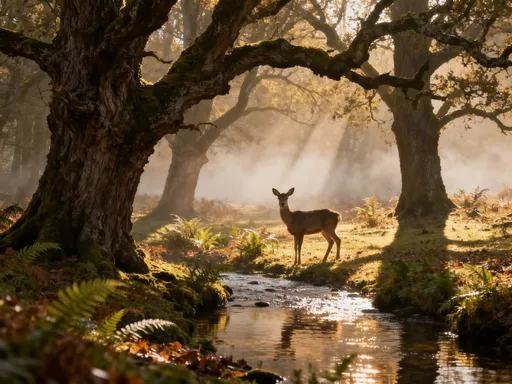
One of the park’s best-kept secrets is the network of lesser-known trails that follow the Shinjuku River upstream. Here, sunlight filters through dense canopies, casting dappled patterns on mossy stones and quiet water. These shaded pathways are ideal for capturing candid shots of deer grazing in natural settings—not posed for treats, but moving freely through their habitat. For photographers, golden hour—just after sunrise or before sunset—offers the perfect balance of soft, warm light and gentle shadows. Positioning the deer against a backdrop of blooming trees or rippling water enhances depth and emotion in images, turning simple moments into lasting memories.
Takachiho-gawara: A Riverside Escape Most Tourists Miss
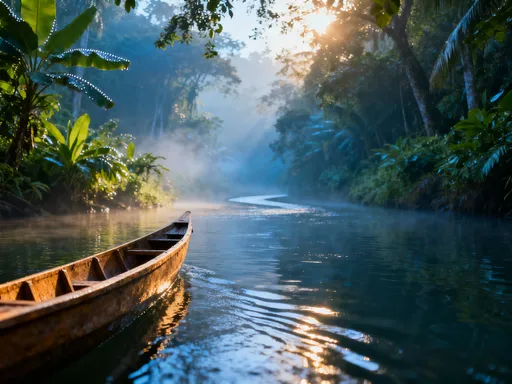
Just a short train ride from central Nara lies Takachiho-gawara, a tranquil valley where the Takagi River winds through ancient forest like a silver ribbon. This serene destination remains largely under the radar, even among seasoned travelers, making it a rare find for those seeking solitude and natural elegance. The riverbed is lined with smooth, moss-covered stones, polished by centuries of flowing water, and the air carries the soothing sound of gentle currents and rustling leaves. Wooden footbridges cross the stream at intervals, offering vantage points for photography or quiet contemplation. Unlike more commercialized river spots in Japan, Takachiho-gawara retains a raw, unpolished beauty that feels untouched by time.
The area offers several well-marked hiking trails, suitable for beginners and experienced walkers alike. A popular route follows the river’s edge, leading to secluded waterfalls tucked deep within the forest. These cascades, though modest in size, possess a quiet grace—water tumbling over rock faces draped in emerald moss, surrounded by ferns and wildflowers. The trail is shaded for much of its length, providing relief during warmer months, and the cool mist rising from the falls offers a refreshing pause. Along the way, stone markers and small shrines hint at the spiritual significance of the area, where nature and tradition are deeply intertwined.
For photographers and nature lovers, timing is key. Early morning visits, particularly in spring or autumn, offer the best lighting conditions. The low angle of the sun casts long shadows and highlights textures in the water and stone, while the soft glow enhances the natural colors of the surroundings. Mist often lingers above the river at dawn, creating an ethereal atmosphere perfect for wide-angle or macro shots. Because the site is not heavily promoted, crowds are minimal, allowing for uninterrupted focus on composition and detail. Whether capturing the delicate ripples in a still pool or the dynamic motion of falling water, Takachiho-gawara provides endless inspiration.
Mount Wakakusa: Where Culture Meets Wilderness
Rising just behind Nara Park, Mount Wakakusa—also known as Mt. Mikasa—is a striking example of how cultural tradition and natural preservation can coexist. This 342-meter hill is famous for the annual Yamayaki festival, held every January, when the entire grassy slope is intentionally set on fire. While the sight of a burning mountain may seem destructive, the practice is actually a centuries-old method of ecological management. The controlled burn removes dead grass, prevents shrub overgrowth, and stimulates new growth, ensuring that the open meadow landscape remains intact. This tradition, recognized as an Important Intangible Folk Cultural Property, reflects a deep understanding of environmental balance rooted in local wisdom.
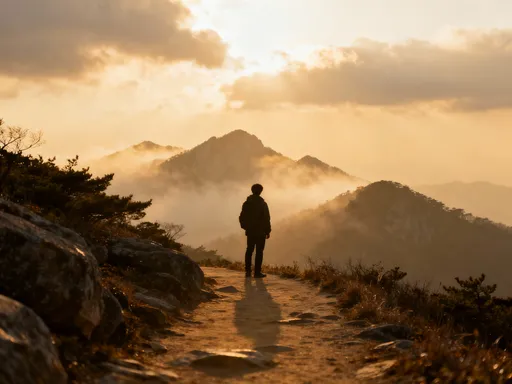
For visitors outside of festival season, Mount Wakakusa offers one of the most rewarding hikes in the region. The trail begins near Tōdai-ji Temple and ascends gently through mixed woodland before opening onto panoramic grasslands. From the summit, the view stretches across the Nara Basin, with historic rooftops, temple spires, and surrounding mountains forming a layered tapestry. On clear days, the vista extends all the way to Osaka, offering a sweeping perspective of the region’s geography. This expansive scene is ideal for wide-angle photography, especially at sunrise, when the first light bathes the city in gold and soft shadows lengthen across the hills.
Drone photography is permitted in certain zones with prior registration, allowing for breathtaking aerial shots that capture the full scale of the landscape. However, even without advanced equipment, the mountain rewards stillness. Early morning hikes often reveal mist settling in the valleys below, creating a dreamlike separation between earth and sky. Birdsong echoes through the trees, and the occasional deer may be spotted grazing near the tree line. These quiet moments—when the world feels hushed and suspended—remind visitors that nature is not just something to observe, but to experience with all the senses.
The Quiet Majesty of Yoshino Mountain
Perched in the southern part of Nara Prefecture, Yoshino Mountain is a destination of legendary status, renowned for its staggering display of cherry blossoms. With over 30,000 trees planted across four distinct slopes—lower, middle, upper, and rear—Yoshino transforms each spring into a cascading sea of pink and white. The blossoms are arranged in layers, creating a natural gradient that begins with soft pastels at the base and deepens to rich hues near the summit. This intentional planting, dating back over a thousand years, was influenced by Buddhist philosophy, where the ascent symbolizes spiritual progression. Today, the effect is both visually stunning and emotionally moving, drawing visitors into a journey that feels as much internal as it is physical.
While cherry blossom season is undoubtedly the peak time to visit, Yoshino’s beauty endures throughout the year. In summer, the mountain cloaks itself in lush greenery, with dense foliage creating cool, shaded pathways ideal for hiking. Wildflowers bloom along the trails, and the sound of cicadas fills the air, evoking the essence of a Japanese summer. Autumn brings another transformation, as maples and beeches ignite in fiery reds, oranges, and golds. The contrast between the vibrant foliage and the ancient wooden temples scattered across the slopes adds depth and texture to every photograph. Even in winter, when snow dusts the stone steps and temple roofs, Yoshino retains a quiet dignity, offering solitude and serenity to those who brave the colder months.
For photographers, Yoshino presents a unique challenge and opportunity: capturing the vastness of the landscape while preserving intimate details. Wide-angle lenses are essential for conveying the scale of the bloom layers, while telephoto shots can isolate individual trees or temple gateways framed by blossoms. The mountain’s network of trails allows for multiple perspectives, from ground-level views of fallen petals to elevated overlooks that showcase the full sweep of color. Because Yoshino is large and spread out, pacing is important—many visitors choose to explore one section per day, staying overnight in traditional ryokan inns that offer warm hospitality and local cuisine.
Practical Tips for Capturing Nara’s Nature in Style
To truly do justice to Nara’s natural beauty, a thoughtful approach to photography is essential. Lighting conditions in forested areas can be challenging, with dappled sunlight and deep shadows creating high contrast. A useful technique is to shoot in aperture priority mode, using a wide aperture (f/2.8 to f/5.6) to let in more light and create a soft background blur, especially when photographing deer or flowers. For moving subjects like deer grazing or birds in flight, a shutter speed of at least 1/500th of a second helps freeze motion. ISO settings should be adjusted based on available light, but keeping it between 200 and 800 typically preserves image quality without introducing noise.
Equipping oneself with the right gear enhances the experience without adding unnecessary weight. A lightweight tripod is invaluable for low-light situations, such as early morning mist or twilight shots near rivers. A polarizing filter can reduce glare on water surfaces and enhance the saturation of green foliage and blue skies, making it particularly useful in Takachiho-gawara or along the Shinjuku River. For smartphone users, portable clip-on lenses—such as wide-angle or macro attachments—can significantly expand creative possibilities. Waterproof cases or covers are also recommended, especially during rainy seasons or near waterfalls, to protect equipment from moisture.
Equally important is respecting the environment and local customs. Feeding deer is permitted in designated areas of Nara Park, but using official crackers prevents harm to their health. Flash photography should be avoided when animals are nearby, as it can startle them. Staying on marked trails protects fragile vegetation and prevents soil erosion, especially on Mount Wakakusa and Yoshino Mountain. Littering is strictly discouraged, and many visitors carry reusable bags to take trash with them. These small acts of mindfulness ensure that Nara’s natural wonders remain pristine for future generations to enjoy.
How to Plan Your Own Unforgettable Nature Journey
Designing a trip to Nara’s hidden natural gems requires thoughtful planning to balance exploration with relaxation. For a one-day itinerary, starting at Nara Park in the morning allows time to experience the deer and seasonal scenery before heading to Mount Wakakusa for a midday hike and panoramic views. After lunch, a visit to Takachiho-gawara offers a peaceful riverside walk, followed by an evening stroll back through the park as lights begin to glow on temple eaves. This紧凑 schedule covers multiple highlights without feeling rushed, especially when using local buses or rental bicycles, which provide flexibility and a closer connection to the surroundings.
For a more immersive experience, a two- to three-day trip that includes Yoshino Mountain is highly recommended. Travelers can take a train to Yoshino Station, spend the first day exploring the lower and middle slopes, and stay overnight in a family-run ryokan. These inns often feature tatami-matted rooms, kaiseki dinners made with local ingredients, and private onsen baths, enhancing the sense of retreat. The second day can be dedicated to hiking the upper and rear slopes, with time to visit Kinpusen-ji Temple, one of Japan’s oldest wooden structures. Returning to central Nara on the final day allows for a relaxed visit to Isuien Garden or a quiet moment by the Shinjuku River.
Transportation within Nara is convenient and eco-friendly. The Kintetsu and JR lines connect major sites, while local buses serve Nara Park and surrounding attractions. Rental bicycles are available near major stations and offer a scenic way to explore flat areas like the park and temple districts. Walking is also a viable option, as many points of interest are within 15 to 30 minutes of each other. For those driving, parking is available at key trailheads, though it’s advisable to arrive early during peak seasons. Accommodations range from modern hotels to traditional guesthouses, with forest-edge inns providing the most immersive experience, where the sounds of nature replace city noise.
Nara’s true charm isn’t just in its ancient temples or friendly deer—it’s in the quiet moments between them. Whether you’re standing under a canopy of blossoms or listening to water trickle over stones, you’re not just visiting nature. You’re becoming part of it. And that’s a story worth sharing.