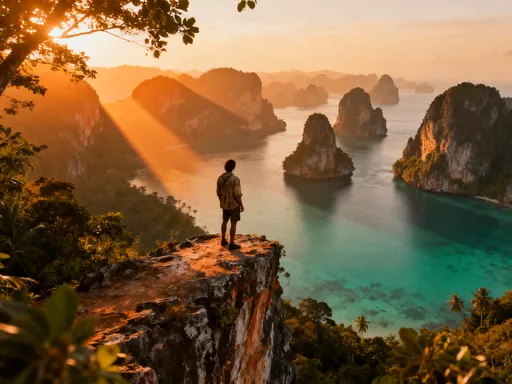
You Won’t Believe These Viewpoints in Krabi
If you’ve ever scrolled through Instagram dreaming of turquoise waters and limestone cliffs rising from the sea, Krabi, Thailand, is real life hitting back. I’m talking about viewpoints so stunning they make your phone gallery look like a travel magazine. From hidden trails to cliff-top moments at golden hour, Krabi doesn’t just deliver views—it redefines them. This is more than sightseeing; it’s visual storytelling with every step. The province, nestled along the Andaman Sea, is a masterpiece of natural sculpture, where millions of years of geological activity have carved a landscape unlike any other in Southeast Asia. Towering karst formations jut from emerald waters, draped in jungle greenery and framed by powdery white beaches. For travelers seeking beauty, serenity, and a touch of adventure, Krabi’s viewpoints offer an experience that lingers long after the tan fades. This guide walks you through the most unforgettable vantage points, the best ways to reach them, and how to make the most of every breathtaking moment—responsibly and safely.
Why Krabi Stands Out for Breathtaking Viewpoints
Krabi’s landscape is a textbook example of karst topography, formed over millions of years by the slow dissolution of limestone by rain and seawater. This geological process has created a dramatic terrain of steep cliffs, hidden caves, and jagged peaks that rise abruptly from the sea and jungle floor. Unlike many tropical destinations where beaches dominate the scenery, Krabi offers a layered visual experience—where every viewpoint reveals a new dimension of natural wonder. The interplay between light, water, and rock transforms ordinary moments into cinematic scenes, especially during sunrise and sunset when golden rays reflect off limestone faces and dance across the waves. These are not just photo opportunities; they are sensory experiences that engage sight, sound, and even emotion.
What sets Krabi apart from other scenic regions in Thailand is the balance between accessibility and adventure. While some viewpoints require a moderate hike, they remain within reach for travelers of various fitness levels. Others, tucked deep in the jungle or perched on remote cliffs, reward those willing to venture off the beaten path. The province’s relative remoteness compared to destinations like Phuket or Pattaya has helped preserve its natural beauty, meaning many viewpoints still feel untouched by mass tourism. This authenticity enhances the sense of discovery—each summit feels like a personal triumph, each vista a private gift from nature.
The region’s microclimate also plays a role in its visual appeal. During the dry season, from November to April, clear skies and low humidity provide exceptional visibility, making distant islands and mountain ranges appear sharply defined. Coastal mists that roll in during early mornings add a dreamlike quality to the scenery, especially when viewed from elevated trails. Even on cloudy days, the contrast between dark rock formations and the soft gray sky creates dramatic compositions that photographers cherish. Whether you’re drawn to panoramic seascapes or intimate jungle glades, Krabi’s geography ensures a diverse range of visual experiences.
Moreover, Krabi’s viewpoints are not isolated attractions—they are part of a larger ecosystem. Many are linked to caves, beaches, or mangrove forests, allowing visitors to combine sightseeing with exploration. A single day can include kayaking through hidden lagoons, hiking to a cliffside overlook, and relaxing on a quiet beach—all within a short distance. This interconnectedness makes Krabi ideal for travelers who value immersion over checklist tourism. The province invites you to slow down, absorb the surroundings, and appreciate the intricate details that make each viewpoint unique. From the texture of moss-covered rock to the sound of waves echoing through a cave, these subtle elements elevate the experience beyond mere photography.
Railay Viewpoint: The Classic That Lives Up to the Hype
Among Krabi’s many scenic highlights, Railay Viewpoint remains one of the most iconic—and for good reason. Located in the Railay Peninsula, accessible only by boat, this viewpoint offers one of the most rewarding climbs in the region. The trail begins near the Phra Nang Cave Shrine and ascends through a series of steep, rocky steps carved into the limestone. Though the hike takes only about 15 minutes, it requires moderate effort and sure footing, especially in warmer months when the rock can become hot underfoot. Handrails and ropes are installed along the steepest sections, providing support for first-time climbers and families alike. The path winds upward through patches of jungle, offering occasional glimpses of the coastline before culminating in a wide, flat platform that opens to a sweeping panorama.
From the top, the view is nothing short of spectacular. To the west, Phra Nang Beach stretches like a crescent of white sand, bordered by turquoise water and fringed with palm trees. To the east, Ton Sai Bay reveals its rugged shoreline, dotted with rock climbers scaling the sheer cliffs. Beyond, the Andaman Sea sparkles under the sun, with distant islands like Koh Poda and Chicken Island emerging like silhouettes on the horizon. On clear days, the entire scene is bathed in brilliant light, creating ideal conditions for photography. Whether you’re using a smartphone or a professional camera, the composition practically arranges itself—layers of green, blue, and gold blending seamlessly into a postcard-perfect image.
The best times to visit are early morning and late afternoon. At sunrise, the sky transitions through soft pinks and oranges, casting a warm glow over the water and reducing the number of visitors. By midday, the viewpoint can become crowded, especially during peak season, so starting early ensures both better lighting and a more peaceful experience. Sunset brings its own magic, with golden hour illuminating the limestone cliffs and reflecting off the sea. Long-exposure shots capture the movement of waves and clouds, adding a dynamic quality to still images. Many photographers return multiple times to capture the scene under different conditions, knowing that no two moments are exactly alike.
Railay Viewpoint is more than just a photo spot—it’s a sensory destination. The breeze at the summit carries the scent of salt and jungle, while the sound of waves crashing below creates a rhythmic backdrop. For many visitors, the climb itself becomes part of the memory: the focus required to navigate the steps, the occasional pause to catch a breath, and the final step onto the viewing platform, where the world suddenly opens up. This sense of achievement enhances the emotional impact of the view, making it more than just a visual reward. It’s a moment of connection—with nature, with the journey, and with the quiet joy of being present in a beautiful place.
Khao Mai Kaew Cave and Summit: A Hidden Gem with a View
For travelers seeking a less crowded but equally rewarding experience, Khao Mai Kaew offers a dual adventure that combines spelunking and summit hiking. Located near the village of Ao Luek, this destination is off the typical tourist circuit, making it a favorite among locals and seasoned visitors. The journey begins with a moderate hike through dense jungle, following a trail marked by small signs and natural landmarks. As you ascend, the sounds of the village fade, replaced by birdsong and the rustle of leaves. The path becomes steeper, requiring the use of hands at certain points, but the challenge is part of the appeal. After about 20 minutes, you reach the entrance of Khao Mai Kaew Cave—a narrow opening that leads into a dimly lit chamber illuminated by sunlight filtering through cracks in the limestone ceiling.
Inside, the cave feels almost sacred. Stalactites hang like chandeliers, their surfaces glistening with moisture. Beams of daylight pierce through fissures, creating dramatic shafts of light that shift throughout the day. Visitors often stand in silence, captivated by the natural cathedral-like atmosphere. Some bring small flashlights to explore deeper sections, though the main chamber is accessible without equipment. The air is cool and still, offering a refreshing contrast to the tropical heat outside. After spending time in the cave, the trail continues upward—this time along a narrow ridge with exposed edges that demand careful footing. Metal ropes are installed at key points, but the climb requires attention and balance, especially after rain when the rock can be slippery.
Reaching the summit is a triumph. The panoramic view from Khao Mai Kaew Peak encompasses a vast stretch of coastline, including mangrove forests, secluded beaches, and a patchwork of islands scattered across the Andaman Sea. Unlike the more famous viewpoints, this one feels private and undiscovered. There are no vendors, no railings, and no crowds—just raw, unfiltered nature. The sense of solitude enhances the emotional impact, making the vista feel like a personal revelation. On clear days, you can see as far as Krabi Town to the north and the Phi Phi Islands to the south, though the real beauty lies in the immediate surroundings: the contrast between dark jungle and bright water, the patterns of tidal flats, and the way light plays across the landscape.
Because this hike is less developed, preparation is key. Sturdy footwear with good grip is essential, as are water, sunscreen, and a hat. It’s advisable to go with a local guide, especially if you’re unfamiliar with the trail. Guides not only ensure safety but also share stories about the area’s history and ecology, enriching the experience. Some families visit during weekends, turning the hike into a bonding activity, while solo travelers often use the journey as a form of meditation. Whether you’re drawn by adventure, photography, or quiet reflection, Khao Mai Kaew delivers on multiple levels. It’s a reminder that some of the best views come not from the most famous spots, but from those that require a little extra effort to reach.
Diamond Viewpoint: Where the Jungle Meets the Sky
Nestled in the hills above Ao Nang, Diamond Viewpoint has quietly gained a reputation as one of Krabi’s most magical sunrise destinations. The trailhead begins near a small residential area, marked only by a modest sign and a footpath that winds into the jungle. The 30-minute ascent is steady but manageable, passing through thick vegetation, over tree roots, and along rocky steps. Unlike more commercialized viewpoints, Diamond Viewpoint has no entrance fee, no guardrails, and no souvenir stalls—just a natural path shaped by frequent use. This lack of infrastructure preserves the site’s wild character, appealing to photographers and nature lovers who value authenticity over convenience.
What makes this viewpoint special is the sudden reveal. After navigating the final switchback, the jungle opens abruptly to a wide ledge that juts out over the valley. From here, the view unfolds like a living painting: mist rises from the treetops, valleys stretch into the distance, and the first rays of sunlight paint the sky in soft pastels. The viewpoint faces east, making it ideal for capturing sunrise in all its glory. As the sun climbs, the light transforms the landscape—shadows recede, colors intensify, and the world below awakens. It’s no wonder locals sometimes call it "the balcony of the gods." The sense of elevation and openness creates a feeling of weightlessness, as if you’re suspended between earth and sky.
Because it’s less known than Railay or Tiger Cave Temple, Diamond Viewpoint attracts fewer visitors, especially outside peak season. This allows for a more intimate experience, where you can sit in quiet contemplation or set up a tripod without competition for space. The acoustics are remarkable—the calls of birds, the distant hum of the town, and the rustle of leaves blend into a natural symphony. Some visitors bring yoga mats and practice mindfulness at the summit, using the peaceful setting to center themselves before the day begins. Others come purely for the photography, knowing that the soft morning light produces images with depth and clarity that are hard to replicate at noon.
Despite its growing popularity, the site remains well-preserved thanks to community efforts and responsible tourism practices. There are no trash bins, so visitors are expected to carry out everything they bring in. A small wooden bench near the edge provides a place to rest, but otherwise, the space is untouched. This minimalism enhances the sense of being in a sacred natural space. For families, the hike is suitable for older children with proper supervision, though the final stretch may be challenging for very young kids. The return journey is easier, with a downhill path that allows time to reflect on the experience. Diamond Viewpoint proves that sometimes, the most powerful views are the ones that feel like a secret—one you’re lucky enough to witness.
Best Times and Conditions for Perfect Shots
Capturing Krabi’s beauty at its peak requires more than a good camera—it demands timing and awareness of environmental conditions. The dry season, spanning from November to April, is widely considered the best time to visit. During these months, rainfall is minimal, skies are clear, and humidity is lower, all of which contribute to sharper, more vibrant photographs. Visibility can extend for miles, allowing distant islands and mountain ranges to appear in crisp detail. Trails are also safer and more accessible, with reduced risk of slipping on wet rocks or encountering sudden downpours. Early morning hikes during this period often begin under starlit skies, with the first light revealing the landscape in a soft, golden glow.
Conversely, the monsoon season, from May to October, brings frequent rain and overcast skies. While this can create moody, atmospheric images—especially with misty cliffs and stormy seas—it also limits access to certain trails. Some viewpoints become slippery or even closed for safety reasons. Coastal paths may be affected by high tides, and boat services to remote areas can be suspended. However, for adventurous photographers, the off-season offers unique opportunities: fewer crowds, lush greenery, and dramatic cloud formations that add depth to compositions. The key is flexibility—checking weather forecasts daily and adjusting plans accordingly.
Within each day, the golden hours—shortly after sunrise and before sunset—are ideal for photography. During these windows, the sun sits low on the horizon, producing soft, diffused light that minimizes harsh shadows and highlights textures in the rock and water. At Railay Viewpoint, for example, sunset illuminates the limestone cliffs in warm amber tones, while sunrise at Diamond Viewpoint bathes the valley in pastel hues. Long-exposure techniques work exceptionally well during these times, allowing photographers to capture the movement of clouds and waves in smooth, flowing lines. Using a tripod and a remote shutter release can enhance image stability, especially in low light.
Equally important is understanding tide schedules, particularly for coastal hikes and beach access. Some viewpoints, like those near Phra Nang Beach, are best reached during low tide when rock formations and tidal pools are exposed. High tide can block paths or make crossings dangerous. Local tour operators and guesthouse staff often provide tide information, and several mobile apps offer accurate daily forecasts. Dressing appropriately also contributes to a successful outing: lightweight, moisture-wicking clothing, closed-toe shoes with grip, and a wide-brimmed hat help manage heat and terrain. Carrying water, snacks, and a basic first-aid kit ensures safety and comfort, especially on longer hikes. By planning ahead and respecting natural conditions, travelers can maximize both the quality of their photos and the enjoyment of their journey.
How to Travel Responsibly While Chasing Views
As Krabi’s viewpoints grow in popularity, so does the need for responsible tourism. The delicate balance between accessibility and preservation is at risk when too many visitors leave behind trash, stray from marked trails, or disturb wildlife. One of the simplest yet most impactful actions travelers can take is to stay on designated paths. These trails are designed to minimize soil erosion and protect native vegetation. Straying off the route, even to get a better photo angle, can damage root systems, accelerate erosion, and introduce invasive species. Over time, these small actions compound, leading to visible degradation of the landscape.
Another critical practice is carrying out all waste. While some viewpoints have basic facilities, many do not. Plastic bottles, food wrappers, and disposable wipes left behind not only mar the scenery but also harm marine and terrestrial animals. Biodegradable items like fruit peels also take time to decompose and can attract pests. The principle of “leave no trace” applies fully: what you bring in, you take out. Using reusable water bottles, snack containers, and cloth bags reduces waste at the source. Some visitors even bring small trash bags to collect litter they find along the trail, contributing to clean-up efforts without being asked.
Respect for cultural and natural sites is equally important. In areas like Railay, where sacred caves and shrines exist, modest clothing and quiet behavior are expected. Flash photography inside caves can disturb bats and other wildlife, so it’s best used sparingly and only when necessary. Avoiding chalk marks, carvings, or stickers on rocks helps preserve the integrity of these spaces for future visitors. Social media influence has led to some risky behavior—climbing on unstable ledges or trespassing in restricted zones—but safety and sustainability should always come first.
Supporting local guides and community-run services is another way to travel responsibly. Licensed guides not only enhance safety but also provide valuable knowledge about the region’s ecology, history, and customs. Their fees contribute directly to the local economy, encouraging sustainable development. Choosing eco-friendly accommodations, eating at family-run restaurants, and purchasing handmade crafts further support this model. When tourism benefits local communities, they are more likely to protect and maintain natural attractions. Ultimately, responsible travel isn’t about restriction—it’s about respect. By making mindful choices, visitors help ensure that Krabi’s breathtaking viewpoints remain pristine for generations to come.
Beyond the View: Why These Moments Stay With You
Standing at the edge of a cliff in Krabi, with the wind in your hair and the world spread out below, something shifts. It’s not just the view—it’s the culmination of effort, anticipation, and presence. The climb, the stillness, the sudden revelation of beauty: these elements combine to create a moment that transcends photography. Many visitors describe a sense of clarity, as if the noise of daily life has been momentarily silenced. In that space, worries shrink, perspectives widen, and gratitude emerges. These viewpoints do more than please the eye—they offer emotional landmarks, places the heart returns to in times of stress or uncertainty.
The journey to each summit mirrors life’s small challenges: the steep steps represent obstacles, the handrails symbolize support, and the final view stands as a reward for perseverance. Parents hiking with children teach lessons in patience and determination. Solo travelers find space for reflection and renewal. Couples share quiet moments that deepen connection. The physical act of climbing becomes a metaphor for personal growth, making the experience more meaningful than a simple sightseeing stop. These viewpoints are not passive backdrops—they are active participants in the traveler’s story.
Moreover, Krabi’s landscapes evoke a deep sense of wonder, a reminder of nature’s power and beauty. In an age of screens and schedules, standing atop a mountain and watching the sunrise feels almost revolutionary. It reconnects us to something ancient and essential—the rhythm of the earth, the cycle of light and dark, the vastness of the natural world. This reconnection is not fleeting; it lingers, influencing how we move through life afterward. We become more attentive, more patient, more appreciative of simple joys.
And perhaps that is the greatest gift of Krabi’s viewpoints: they don’t just show us beautiful places—they show us a better way to be in the world. They invite us to slow down, to breathe deeply, to look closely. They remind us that wonder is not reserved for faraway galaxies or rare events, but exists in the curve of a bay, the texture of a rock, the play of light on water. In a fast-paced, often overwhelming world, these moments of stillness are not luxuries—they are necessities. So pack your water, tie your shoes, and start the climb. The view is worth it, but the journey? That’s where the real magic happens.