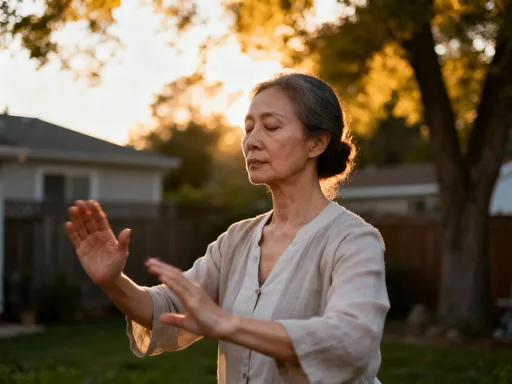
Why I’ve Stuck to the Same Routine for Years—And It’s Slowing My Aging
What if the secret to aging slower isn’t a miracle cream or extreme diet, but simply showing up the same way every day? I used to chase quick fixes—until I realized consistency shapes how we age. Over years, small, repeatable habits quietly transformed my energy, skin, and mood. This isn’t about perfection; it’s about showing up daily. Let’s explore how routine regularity might be the most underrated anti-aging tool we all already have.
The Myth of Quick Fixes in Anti-Aging
For decades, the anti-aging industry has sold the idea that dramatic transformations require dramatic actions. From crash diets to intensive detoxes, many believe that only extreme measures can slow the clock. Advertisements promise glowing skin in ten days, renewed energy in two weeks, and reversed aging with a single supplement. But science increasingly shows that these short-term interventions rarely deliver lasting results. In fact, they often lead to rebound effects, metabolic confusion, and increased stress on the body—ironically accelerating some aspects of aging. The human body is not designed for abrupt shifts; it thrives on stability and repetition.
Real anti-aging is not about intensity—it’s about consistency. Research in behavioral science and longevity medicine consistently highlights that long-term health outcomes are more closely linked to daily habits than occasional efforts. A 2020 review published in The Lancet Healthy Longevity found that individuals who maintained regular sleep, eating, and movement patterns experienced slower biological aging compared to those who pursued intermittent or extreme regimens. The reason lies in how the body processes change: it adapts best to small, repeated signals over time. These signals—like waking up at the same time each day or eating meals at predictable hours—help regulate internal systems that influence aging at the cellular level.
The myth of the quick fix also overlooks the psychological toll of constant change. Jumping from one trend to another creates mental fatigue and undermines self-trust. When a new diet fails or a skincare routine doesn’t deliver instant results, it’s easy to feel discouraged. But when habits are built gradually and repeated daily, they become part of a person’s identity. This shift—from “I’m trying to be healthy” to “I am someone who lives healthily”—is where lasting transformation begins. The power of routine regularity isn’t flashy, but it’s foundational.
How Daily Habits Influence Biological Aging
Aging is often seen as a visible process—wrinkles, gray hair, reduced mobility—but the real story unfolds beneath the surface. At the cellular level, aging is influenced by factors like telomere shortening, oxidative stress, and chronic inflammation. What’s remarkable is how much these processes are shaped by daily behavior. Regular routines don’t just support wellness—they directly affect the biological mechanisms that determine how fast or slow we age. When the body operates on a predictable schedule, it can allocate more resources to repair and maintenance rather than constant adaptation.
One of the most studied markers of cellular aging is telomere length. Telomeres are protective caps at the ends of chromosomes that shorten with each cell division. Shorter telomeres are associated with aging and age-related diseases. A landmark study from the University of California, San Francisco, found that individuals who maintained consistent sleep, exercise, and dietary patterns had significantly longer telomeres than those with irregular lifestyles. The researchers concluded that lifestyle regularity may slow cellular aging by reducing the rate of telomere shortening. This doesn’t mean perfection is required—just consistency over time.
Another key factor is circadian rhythm alignment. The body’s internal clock regulates everything from hormone release to metabolism and immune function. When daily habits like eating, sleeping, and physical activity occur at consistent times, the circadian system functions optimally. Misalignment—such as eating late at night or irregular sleep schedules—has been linked to increased inflammation, insulin resistance, and higher cortisol levels, all of which accelerate aging. A 2019 study in Cell Metabolism showed that participants who ate meals within a 10-hour window each day and slept at regular times had improved metabolic health and reduced markers of aging, even without changing what they ate.
Hormone balance is also deeply affected by routine. Cortisol, the stress hormone, follows a natural daily rhythm, peaking in the morning and declining at night. When routines are erratic, this rhythm becomes disrupted, leading to elevated nighttime cortisol, poor sleep, and increased fat storage. In contrast, predictable habits help stabilize hormonal fluctuations, supporting energy, mood, and skin health. The body isn’t just responding to what we do—it’s responding to when we do it. Regularity turns everyday actions into a form of silent, continuous care.
Building a Sustainable Anti-Aging Routine
A sustainable anti-aging routine doesn’t require drastic changes or hours of effort. It’s built on simple, repeatable behaviors that can be maintained for years. The key is not complexity, but consistency. Think of it like watering a plant every day rather than drowning it once a week. Small, daily actions compound over time, creating lasting benefits. The most effective routines are those that feel natural and manageable, not overwhelming or rigid.
Start with sleep. Going to bed and waking up at roughly the same time every day—even on weekends—helps regulate the body’s internal clock. This consistency improves sleep quality, which in turn supports skin repair, cognitive function, and emotional stability. Pair this with a morning ritual: drinking a glass of water upon waking, stepping outside for natural light, and taking a few deep breaths. These small acts signal to the body that a new day has begun, reinforcing circadian alignment.
Physical activity is another cornerstone. You don’t need intense workouts to see benefits. A daily 10- to 20-minute walk, especially in natural light, supports circulation, mood, and joint health. The goal is movement that becomes automatic—something you do without thinking, like brushing your teeth. Over time, this regularity enhances cardiovascular health and muscle tone, both of which contribute to a more youthful appearance and greater vitality.
Nutrition plays a critical role, but again, timing and consistency matter as much as content. Eating meals at regular intervals helps stabilize blood sugar and supports digestive health. Mindful eating—sitting down, chewing slowly, avoiding distractions—enhances nutrient absorption and reduces bloating. Hydration is equally important. Drinking water throughout the day, especially in the morning, supports skin elasticity and cognitive function. These habits don’t require special products or expensive supplements—they just require showing up the same way, day after day.
The Role of Mental and Emotional Stability
Emotional well-being is deeply intertwined with physical aging. Chronic stress, anxiety, and emotional unpredictability take a measurable toll on the body. When the mind is in a constant state of reactivity, the body responds with elevated cortisol, increased inflammation, and disrupted sleep—all of which accelerate aging. But routines offer a powerful antidote. They provide structure, reduce uncertainty, and lower the cognitive load of daily decision-making. This mental stability translates into physical benefits.
Decision fatigue is a real phenomenon. Every choice—from what to wear to what to eat—uses mental energy. When life lacks routine, the number of daily decisions multiplies, leading to exhaustion and poor choices. But when certain behaviors become automatic, they free up mental space. Knowing that you’ll go for a walk at the same time each day, or that you always drink tea before bed, removes the need to negotiate with yourself. This predictability reduces stress and supports emotional resilience.
Mindfulness practices, when repeated daily, further enhance this effect. Taking five to ten minutes each day to focus on the breath, observe thoughts without judgment, or practice gratitude can rewire the brain’s stress response over time. Studies in psychoneuroimmunology have shown that regular mindfulness practice is associated with lower inflammation, improved immune function, and even longer telomeres. These benefits don’t come from occasional meditation—they come from repetition. Like brushing your teeth, mindfulness becomes more effective when it’s a non-negotiable part of the day.
Emotional regularity also strengthens relationships. When your mood and behavior are predictable, others feel safer and more connected. This sense of belonging and support is a well-documented factor in longevity. Communities with high life expectancy—such as those in Okinawa, Japan, or Sardinia, Italy—often share strong social rhythms: regular meals with family, daily greetings, and shared routines. These patterns create a web of stability that buffers against stress and supports long-term health.
Common Obstacles and How to Overcome Them
No routine survives untouched by life’s disruptions. Travel, work demands, illness, or family emergencies can throw even the most disciplined person off track. The key to long-term success isn’t avoiding disruptions—it’s learning how to return. Perfection is not the goal; resilience is. The most sustainable routines are flexible enough to adapt without collapsing.
One effective strategy is to build in “minimum viable habits.” These are scaled-down versions of your regular practices that can be done even on busy or difficult days. For example, if your usual routine includes a 30-minute walk, your minimum version might be five minutes of stretching or stepping outside for fresh air. If you normally meditate for ten minutes, your minimum might be one minute of deep breathing. These small acts maintain the thread of continuity, making it easier to return to the full routine when possible.
Planning for disruptions also helps. If you know you’ll be traveling, pack comfortable shoes for walking, download a short meditation app, or research healthy meal options in advance. If work hours shift, adjust your sleep schedule gradually rather than abandoning it altogether. The goal is not to follow the routine rigidly, but to honor its spirit—consistency, care, and self-respect.
Tracking progress, rather than perfection, supports motivation. A simple habit tracker—a calendar where you mark each day you complete a key habit—can provide visual feedback and a sense of accomplishment. It’s not about never missing a day; it’s about seeing the pattern of return. Over time, you’ll notice that even after a break, you come back faster and with less guilt. That’s the sign of a routine that’s becoming part of your identity.
Real-Life Evidence: What Long-Term Consistency Looks Like
Some of the strongest evidence for the power of routine comes from longevity hotspots—regions where people live longer, healthier lives. These communities, often called Blue Zones, share common lifestyle patterns that are not extreme, but remarkably consistent. In Okinawa, older adults wake up early, eat meals at regular times, practice daily movement like gardening or walking, and maintain strong social connections. In Nicoya, Costa Rica, families gather for meals every day, often centered around traditional, nutrient-rich foods. In Sardinia, shepherds walk miles each day, following a rhythm shaped by nature and necessity.
What stands out is not the intensity of their habits, but their repetition. These are not weekend warriors or intermittent dieters. Their lives are built on daily rhythms that support health without requiring constant effort. Movement is not a chore—it’s part of life. Eating is not a performance—it’s a ritual. Sleep is not sacrificed for productivity—it’s protected. These routines aren’t followed out of discipline alone; they’re embedded in culture, environment, and identity.
Observational studies have confirmed that people in these regions have lower rates of chronic disease, better cognitive function in old age, and longer health spans—the number of years lived in good health. While genetics play a role, researchers emphasize that lifestyle regularity is a major contributor. A 2021 analysis in Nature Aging found that individuals with the most consistent daily routines—regardless of location—had a 25% lower risk of age-related decline over a ten-year period. The takeaway is clear: long-term health is not about doing more, but about doing the right things regularly.
Making Routine a Lifelong Practice
The final step in creating lasting change is shifting from behavior to identity. Most people approach habits as tasks to complete: “I need to walk today,” “I should drink more water.” But the most enduring routines are those that become part of who you are: “I am someone who walks every day,” “I am someone who cares for my body.” This shift doesn’t happen overnight—it’s the result of repetition, reinforcement, and self-perception.
Environmental design plays a crucial role. Keep your walking shoes by the door. Set a morning alarm for water. Place a journal on your nightstand for reflection. These cues reduce the need for willpower by making the right choice the easiest choice. Over time, the routine becomes invisible—just what you do, like breathing or blinking. That’s when anti-aging stops being a goal and starts being a side effect of living well.
Longevity is not about adding years to life, but life to years. And that life is shaped by the quiet, daily choices we make. A consistent routine isn’t a restriction—it’s a form of self-respect. It says, “I am worth the same care today as I was yesterday and will be tomorrow.” In a world that glorifies speed and novelty, choosing repetition is an act of quiet rebellion. It’s a commitment to showing up, not perfectly, but persistently. And in that persistence, we find not just slower aging—but deeper living.