Move It to Prevent It: How Exercise Shields Your Body Like Science Promised
Staying healthy isn’t just about eating right or avoiding germs—what you do every day shapes your body’s defense system. Decades of research confirm that regular physical activity is one of the most powerful tools for preventing chronic diseases. From heart issues to diabetes, exercise acts like a natural shield, quietly strengthening your body from within. It doesn’t require expensive treatments or drastic lifestyle changes—just consistent movement. This article explores how daily physical activity changes your biology, why it matters for long-term wellness, and practical ways to make it work in real life.
The Hidden Crisis: Why Disease Prevention Matters More Than Ever
Today, chronic illnesses such as type 2 diabetes, cardiovascular disease, and certain cancers are among the leading causes of disability and early death worldwide. According to the World Health Organization (WHO), noncommunicable diseases account for 71% of all global deaths, with a significant portion linked to preventable lifestyle factors. The Centers for Disease Control and Prevention (CDC) reports that only about 25% of American adults meet the recommended guidelines for both aerobic and muscle-strengthening activities. This gap is not merely a matter of fitness—it reflects a deeper public health crisis fueled by sedentary living.
Modern life has reshaped how humans move—or rather, how little we move. Office jobs, long commutes, screen-based entertainment, and automated conveniences have reduced daily physical exertion to unprecedented lows. The average adult now spends more than eight hours a day sitting, a behavior independently linked to increased risks of heart disease, metabolic dysfunction, and premature mortality. Unlike acute infections that come and go, chronic diseases develop silently over years, often with few early symptoms. By the time diagnosis occurs, significant damage may already be present.
What makes this trend especially concerning is that many of these conditions are not inevitable. They are largely driven by modifiable behaviors, with physical inactivity ranking among the top contributors. Research published in The Lancet estimates that physical inactivity is responsible for one in ten deaths globally, placing it on par with smoking and obesity as a major public health threat. Yet, unlike some risk factors, inactivity is something individuals can address with relatively simple changes.
The shift from reactive medicine—treating illness after it appears—to preventive care is now more urgent than ever. Instead of waiting for high blood pressure or elevated blood sugar to appear, experts emphasize building resilience through daily habits. Among these, regular physical activity stands out as one of the most effective, accessible, and low-cost strategies available. It is not a cure-all, but it is a foundational pillar of long-term health, capable of delaying or even preventing the onset of multiple chronic diseases.
Exercise Isn’t Just Fitness—It’s Biological Maintenance
Most people think of exercise as a way to lose weight or build muscle, but its role in the body goes far beyond appearance or strength. At a biological level, movement functions like a full-system tune-up, influencing everything from hormone balance to cellular repair. When muscles contract during physical activity, they do more than generate force—they release signaling molecules called myokines, which act as messengers throughout the body. These proteins travel through the bloodstream and influence organs such as the liver, brain, and immune system, promoting healthier function.
One of the most significant effects of regular exercise is its ability to reduce systemic inflammation. Chronic, low-grade inflammation is now recognized as a key driver of many diseases, including heart disease, type 2 diabetes, and some forms of cancer. Exercise helps regulate the immune system by lowering levels of inflammatory markers such as C-reactive protein (CRP) and interleukin-6 (IL-6). Over time, this creates an internal environment less hospitable to disease development. Think of muscles not just as tools for movement, but as active organs that help clean the bloodstream and support overall health.
Insulin sensitivity is another critical area influenced by physical activity. Insulin is the hormone responsible for helping cells absorb glucose from the blood. In sedentary individuals, cells can become resistant to insulin, leading to elevated blood sugar and eventually type 2 diabetes. Exercise increases the body’s demand for energy, prompting muscles to take up glucose without needing as much insulin. This effect can last for hours after a workout, making physical activity one of the most immediate and effective ways to manage blood sugar levels naturally.
Blood pressure regulation is also improved through regular movement. Physical activity strengthens the heart, allowing it to pump blood more efficiently. This reduces the strain on arteries and helps maintain healthy vascular function. Additionally, exercise supports the release of nitric oxide, a molecule that helps blood vessels relax and dilate, further contributing to lower blood pressure over time. These changes happen gradually, but consistently, reinforcing the idea that exercise is not a quick fix but a long-term investment in biological resilience.
The Heart’s Best Friend: How Movement Protects Cardiovascular Health
Heart disease remains the leading cause of death globally, responsible for an estimated 17.9 million deaths each year, according to the WHO. Despite advances in medical treatment, prevention remains the most effective strategy. Numerous studies have shown that regular physical activity can reduce the risk of cardiovascular disease by up to 40%. This protective effect is not limited to elite athletes or intense training regimens—moderate, consistent activity such as brisk walking, cycling, or swimming delivers substantial benefits.
Aerobic exercise, in particular, strengthens the heart muscle, improving its ability to pump blood with less effort. Over time, this leads to a lower resting heart rate, a key indicator of cardiovascular fitness. A stronger heart also improves circulation, ensuring that oxygen and nutrients are delivered efficiently to tissues throughout the body. The UK Biobank study, which followed over 90,000 adults using wearable trackers, found that those who engaged in regular moderate-to-vigorous physical activity had significantly lower rates of heart failure, stroke, and coronary artery disease, even after adjusting for other risk factors like smoking and diet.
Exercise also plays a crucial role in maintaining healthy blood vessels. Arterial stiffness, a condition that increases with age and inactivity, is a major contributor to high blood pressure and heart disease. Regular physical activity helps preserve the elasticity of arteries, reducing stiffness and improving blood flow. This is particularly important as people age, when natural declines in vascular function can accelerate disease risk.
Lipid profiles—the balance of cholesterol in the blood—are also positively influenced by exercise. While diet plays a major role, physical activity has been shown to increase levels of high-density lipoprotein (HDL), often called “good” cholesterol, while reducing triglycerides. Although the impact on low-density lipoprotein (LDL) may be more modest, the overall shift in lipid balance contributes to a lower risk of plaque buildup in the arteries.
Even for individuals who already have risk factors such as high blood pressure or a family history of heart disease, starting or increasing physical activity can make a meaningful difference. The American Heart Association recommends at least 150 minutes of moderate-intensity aerobic activity per week, a goal that can be achieved through simple, sustainable choices like walking 30 minutes five days a week. The key is consistency—regular movement, not occasional bursts of intensity, provides the most lasting protection.
Taming Inflammation: Exercise as a Natural Immune Regulator
Inflammation is a natural and necessary part of the body’s defense system, helping to fight infections and heal injuries. However, when inflammation becomes chronic and systemic, it can contribute to a wide range of diseases, including arthritis, Alzheimer’s disease, and certain cancers. Chronic inflammation often develops silently, driven by factors such as poor diet, stress, lack of sleep, and physical inactivity. What many people don’t realize is that exercise can act as a natural anti-inflammatory agent, helping to keep the immune system in balance.
Moderate, regular physical activity has been shown to reduce levels of pro-inflammatory cytokines such as IL-6 and TNF-alpha. At the same time, it stimulates the production of anti-inflammatory molecules, including IL-10 and adiponectin. This dual effect helps shift the body from a state of chronic inflammation to one of regulated immune response. Researchers describe this as “training” the immune system—much like how consistent practice improves performance in any skill, regular movement helps the body respond more efficiently to threats without overreacting.
The timing and intensity of exercise matter. Acute bouts of vigorous exercise can temporarily increase inflammation, which is a normal part of the muscle repair process. However, in individuals who exercise regularly, the body adapts by becoming more efficient at resolving this inflammation. This adaptation is one reason why long-term exercisers tend to have lower baseline levels of inflammatory markers. It’s a bit like building a stronger immune thermostat—one that responds appropriately without staying turned on too long.
It’s important to note that more is not always better. Overtraining or extreme endurance exercise without adequate recovery can actually increase inflammation and suppress immune function, making the body more vulnerable to illness. This underscores the importance of balance. For most people, moderate-intensity activities such as walking, gardening, or dancing several times a week provide optimal benefits without the risks associated with excessive exertion. The goal is not to push the body to its limits, but to support its natural ability to maintain equilibrium.
Stronger Bones, Sharper Mind: The Full-Body Benefits of Staying Active
The benefits of physical activity extend well beyond the heart and metabolism. Exercise plays a vital role in maintaining bone density, joint health, and cognitive function—three areas that are especially important as people age. Weight-bearing activities such as walking, climbing stairs, or resistance training place gentle stress on bones, stimulating the production of new bone tissue. This process helps counteract the natural loss of bone density that occurs with aging, reducing the risk of osteoporosis and fractures.
Joints, too, benefit from movement. Synovial fluid, which lubricates joints, is circulated most effectively when muscles are active. Regular motion helps keep cartilage healthy and reduces stiffness, particularly in conditions like osteoarthritis. Rather than avoiding movement due to joint discomfort, experts now recommend tailored physical activity as a core part of joint preservation. Low-impact exercises such as swimming or cycling can provide joint support without excessive strain.
One of the most compelling areas of research involves the brain. Physical activity increases blood flow to the brain, delivering oxygen and nutrients that support neuron health. More importantly, exercise stimulates the release of brain-derived neurotrophic factor (BDNF), a protein that promotes neuroplasticity—the brain’s ability to form new connections and adapt over time. Higher levels of BDNF are associated with better memory, improved mood, and a reduced risk of neurodegenerative diseases such as Alzheimer’s.
Studies have consistently shown that adults who engage in regular physical activity experience slower rates of cognitive decline. A long-term analysis from the Framingham Heart Study found that individuals with higher levels of physical fitness had larger brain volumes and better executive function in later life. Even starting exercise later in life can yield benefits—research suggests that beginning a routine in midlife can still reduce dementia risk by up to 30%. This reinforces the idea that it’s never too late to start moving for the sake of long-term brain health.
Making It Real: Practical Strategies for Daily Movement
Understanding the science behind exercise is valuable, but turning knowledge into action is where real change happens. Many people struggle not because they lack motivation, but because they face practical barriers—lack of time, energy, access to facilities, or confidence in how to begin. The good news is that effective physical activity does not require gym memberships, specialized equipment, or hours of commitment. Public health guidelines recommend 150 minutes of moderate-intensity aerobic activity per week, but this can be broken into manageable segments—just 10 to 15 minutes at a time can make a difference.
One effective strategy is the concept of “activity snacks”—short bursts of movement spread throughout the day. For example, taking a three-minute walk every hour during work hours can add up to 24 minutes of activity over an eight-hour day. These mini-sessions help break up prolonged sitting, improve circulation, and boost energy levels. Similarly, parking farther away, taking the stairs, or doing light stretching during TV commercials are small changes that accumulate into meaningful health benefits.
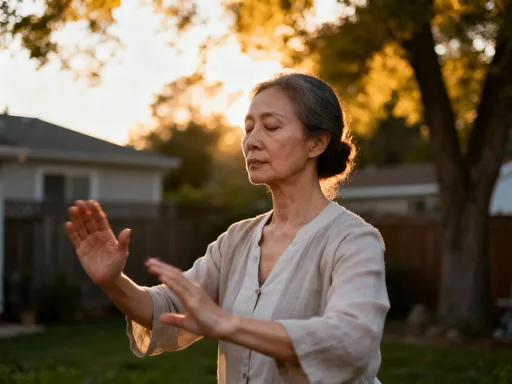
Enjoyment is a key factor in long-term adherence. People are more likely to stick with activities they find pleasant or rewarding. This could mean dancing to favorite music, walking with a friend, gardening, or practicing tai chi. The form of movement matters less than the consistency. Choosing something enjoyable turns exercise from a chore into a sustainable habit. It’s also helpful to set realistic goals—starting with five or ten minutes a day and gradually increasing duration and intensity as fitness improves.
For those with physical limitations or health concerns, consulting a healthcare provider before beginning a new routine is advisable. However, for most adults, even light activity is better than none. The CDC emphasizes that some physical activity is always better than none, and every step counts toward better health. Using tools like pedometers or smartphone apps can help track progress and provide gentle motivation. The goal is not perfection, but progress—building a routine that fits naturally into daily life.
A Lifelong Shield: Building a Sustainable Culture of Movement
Preventive health is not about short-term fixes or extreme measures—it’s about making consistent, sustainable choices that add up over time. Exercise, when viewed not as punishment but as a daily act of self-care, becomes a powerful form of biological investment. Each walk, stretch, or climb of the stairs contributes to a stronger, more resilient body. Over years, these small actions reduce the risk of chronic disease, enhance quality of life, and support independence in later years.
Creating a culture of movement goes beyond individual effort. Communities, workplaces, and policies all play a role in making physical activity accessible and normal. Sidewalks, bike lanes, safe parks, and workplace wellness programs can remove barriers and encourage healthier habits. Employers who promote active breaks or flexible schedules for exercise send a message that employee well-being matters. Schools that prioritize physical education help instill lifelong habits in children.
At the personal level, reframing exercise as a form of self-respect rather than obligation can shift mindset. It’s not about achieving a certain look or meeting unrealistic standards—it’s about honoring the body’s need for movement. Just as we brush our teeth daily to prevent dental problems, we can move daily to protect our internal health. This preventive approach empowers individuals to take control of their well-being in a proactive, positive way.
In a world where medical treatments are often focused on managing disease, physical activity stands out as a rare intervention that truly prevents it. While medicine plays a vital role in healing, movement helps avoid the need for intervention in the first place. It is one of the most powerful, evidence-based health decisions anyone can make. By making regular physical activity a non-negotiable part of daily life, people of all ages can build a stronger, healthier future—one step at a time.