Why I Swear by This Simple Anti-Aging Body Care Routine
We all want to feel youthful, not just look it. I used to think anti-aging was about creams and serums, but I’ve learned it starts with how we treat our bodies every day. From movement to moisturizing, small consistent habits make a real difference. This isn’t about chasing perfection—it’s about feeling strong, soft, and energized. Let me share what actually works, in a way that’s simple, doable, and totally worth it.
The Real Truth About Anti-Aging: It Starts with Your Body
When most people think of anti-aging, their minds go straight to the face—wrinkles around the eyes, fine lines on the forehead, or the ever-dreaded sagging jawline. Yet, the truth is that aging affects every inch of skin, not just the one framed by a mirror. The arms that carry groceries, the legs that walk the dog, the back that bends to tie a child’s shoe—all show signs of time. Dryness, uneven texture, age spots, and thinning skin are not limited to the face. These changes occur across the body and are often overlooked until they become difficult to ignore.
What causes this widespread transformation? A combination of intrinsic and extrinsic factors. Intrinsic aging is the natural process governed by genetics—collagen and elastin production begin to slow as early as the mid-20s. These proteins are essential for skin’s firmness and bounce. Without them, skin loses its structure, becoming thinner and more fragile. Extrinsic aging, on the other hand, is driven by environmental exposure—sunlight, pollution, and even the friction of clothing. Ultraviolet (UV) radiation, in particular, accelerates collagen breakdown and damages DNA in skin cells, leading to discoloration and roughness over time.
The body’s skin is actually thinner than facial skin in many areas, especially on the inner arms, décolletage, and hands. This makes it more vulnerable to both dehydration and photoaging. Yet, unlike the face, it rarely receives the same level of care. Few apply sunscreen to their arms daily, and even fewer use targeted moisturizers on their legs or chest. This neglect creates a disconnect: a well-cared-for face paired with dry, spotted limbs can make a person feel inconsistent in their self-care journey.
Shifting the perspective from vanity to vitality helps reframe the conversation. Anti-aging is not about resisting time; it’s about supporting the body’s natural ability to function and feel good. Healthy skin acts as a protective barrier, regulates temperature, and even contributes to immune defense. When we care for our body’s skin, we’re not just aiming for smoothness—we’re promoting comfort, reducing irritation, and maintaining mobility. This holistic approach fosters a deeper sense of well-being, where confidence comes not from appearance alone, but from feeling cared for from head to toe.
Why Simplicity Wins in Long-Term Body Care
It’s easy to get caught up in the idea that more is better—more steps, more products, more time spent in front of the mirror. The beauty industry often promotes elaborate routines with serums, oils, exfoliants, and masks, promising dramatic transformations. But in reality, the most effective routines are often the simplest. When a regimen becomes too complicated, it’s more likely to be abandoned. Life is busy, especially for women managing households, careers, and families. A skincare routine that demands 20 minutes twice a day is unlikely to survive the chaos of real life.
Consistency, not complexity, is the true driver of results. Think of body care like brushing your teeth—no one uses ten different tools, yet the habit prevents long-term damage. The same principle applies to skin health. Daily moisturizing, weekly exfoliation, and regular sun protection are far more impactful than occasional intensive treatments. These habits work cumulatively, building resilience over time. The key is making them easy enough to stick with, even on the busiest days.
Psychological research supports this idea. Decision fatigue—the mental exhaustion that comes from making too many choices—can sabotage even the best intentions. When a routine requires selecting from multiple products or remembering a sequence of steps, it increases cognitive load. Over time, this leads to avoidance. A simple, repeatable process reduces friction. For example, keeping one trusted body lotion by the bed ensures it’s within reach after a shower. Using a moisturizer with built-in SPF eliminates the need to apply a separate product in the morning.
Simplicity also reduces the risk of over-treatment. Some women, eager for results, layer on too many actives or exfoliate too frequently, leading to irritation, redness, and compromised skin barriers. The skin on the body is more resilient than facial skin, but it’s not indestructible. Gentle, consistent care is more sustainable and safer in the long run. By focusing on a few key habits, women can achieve noticeable improvements without stress or confusion. The goal isn’t perfection—it’s progress through repetition.
Hydration Inside and Out: The Unsung Hero of Youthful Skin
Water is essential for life, but its role in skin health is often underestimated. While drinking enough water won’t erase wrinkles overnight, it plays a foundational role in maintaining skin elasticity and function. Every cell in the body relies on water to carry out metabolic processes, including the regeneration of skin cells. When the body is dehydrated, cell turnover slows, leading to a dull, rough complexion. Internal hydration supports the skin’s ability to repair itself and maintain a healthy glow from within.
But hydration isn’t just about what you drink—it’s also about what you apply. The skin’s outermost layer, the stratum corneum, acts as a barrier that locks in moisture and keeps out irritants. When this barrier is compromised—due to aging, harsh soaps, or dry climates—water escapes more easily, a process known as transepidermal water loss. This leads to dryness, flakiness, and increased sensitivity. Replenishing moisture with the right topical products helps restore this protective shield.
Not all moisturizers are created equal. Ingredients matter. Look for formulations that include ceramides, which are lipids naturally found in the skin and essential for barrier repair. Hyaluronic acid is another powerful component—it can hold up to 1,000 times its weight in water, drawing moisture into the skin and keeping it plump. Glycerin, shea butter, and squalane are also effective humectants and emollients that soften and smooth the skin’s surface.
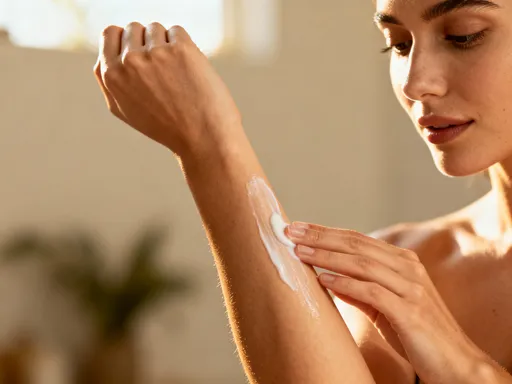
The timing and method of application are just as important as the product itself. Dermatologists consistently recommend applying moisturizer immediately after bathing, while the skin is still damp. This traps water on the surface, allowing the lotion or cream to seal it in. Waiting too long allows moisture to evaporate, reducing the effectiveness of the product. For best results, use gentle, fragrance-free cleansers that don’t strip natural oils, and pat the skin dry instead of rubbing it vigorously.
Real benefits emerge over time: reduced itching, fewer visible lines, and a texture that feels supple rather than tight. Women who prioritize hydration often report not just better-looking skin, but greater comfort—especially in colder months when dryness is more pronounced. This dual approach—drinking water and using effective moisturizers—creates a strong foundation for long-term skin health.
Movement as Medicine: How Daily Activity Slows Skin Aging
Exercise is widely praised for its cardiovascular and mental health benefits, but its impact on skin is less commonly discussed—yet equally significant. Physical activity increases blood circulation, which delivers oxygen and vital nutrients to skin cells. This enhanced flow supports cellular repair, boosts collagen production, and helps remove waste products like free radicals. The result is skin that looks more vibrant, feels firmer, and ages more slowly.
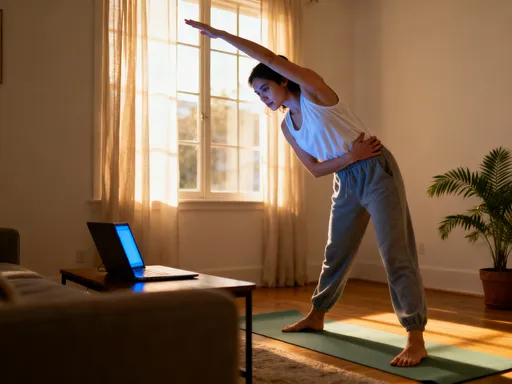
You don’t need to run marathons or spend hours in the gym to reap these rewards. Even moderate movement—such as a 20-minute walk, gentle yoga, or dancing while cooking dinner—can make a difference. The key is consistency. Daily activity, no matter how light, keeps blood flowing and metabolism active. Over time, this contributes to a more even skin tone, reduced puffiness, and improved texture.
Sedentary lifestyles, on the other hand, can accelerate signs of aging. Prolonged sitting reduces circulation, especially in the lower body, leading to poor nutrient delivery and fluid retention. This can manifest as dullness, sagging, and slower wound healing. Additionally, inactivity is linked to chronic inflammation, a known contributor to skin aging. Inflammatory markers in the body can break down collagen and impair skin barrier function, making the skin more vulnerable to damage.
Movement also supports lymphatic drainage, a system that removes toxins and excess fluid from tissues. Unlike the circulatory system, the lymphatic system doesn’t have a pump—it relies on muscle contractions to move fluid. Regular physical activity helps keep this system functioning efficiently, reducing puffiness and promoting clearer, healthier skin. Simple practices like dry brushing before showering or elevating the legs after a long day can complement this process.
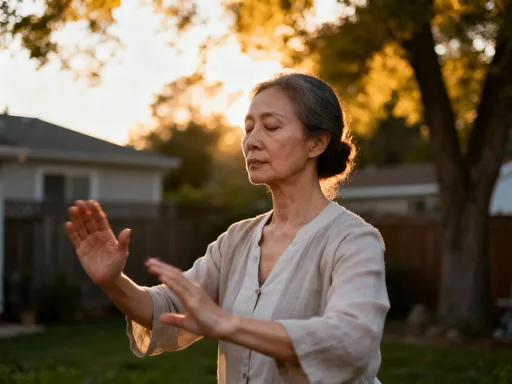
Beyond the physical, exercise reduces stress—a major, often overlooked factor in skin aging. Chronic stress elevates cortisol levels, which can increase oil production, trigger breakouts, and impair healing. It also contributes to oxidative stress, damaging cells and accelerating aging. Mindful movement, such as stretching or tai chi, combines physical and emotional benefits, helping women feel more balanced and resilient.
Sun Protection Beyond the Face: Don’t Skip Your Neck and Hands
UV radiation is the single most significant external factor in skin aging. It accounts for up to 90% of visible skin changes attributed to aging, including wrinkles, loss of elasticity, and hyperpigmentation. While most women have learned to apply sunscreen to their faces, many neglect other areas that are just as exposed—and just as vulnerable. The neck, chest, hands, and forearms receive daily sun exposure, yet they are rarely protected with the same diligence.
The skin on the neck and décolletage is thinner and has fewer oil glands than facial skin, making it more prone to dryness and damage. Sunspots and horizontal neck lines—sometimes called “tech neck” due to the habit of looking down at phones—are common signs of UV exposure in these areas. Similarly, the backs of the hands are often the first to show age, with visible veins, brown spots, and crepiness. These signs can make a person look older than they feel.
Protecting these areas doesn’t require a major lifestyle change. The simplest approach is to extend the same sunscreen routine used on the face. After moisturizing, apply a broad-spectrum SPF 30 or higher to the neck, chest, and hands. Reapplication is important, especially if spending time outdoors. For convenience, many women keep a small bottle of sunscreen in their purse or by the kitchen sink, making it easy to reapply after washing hands or running errands.
Another effective strategy is to use daily moisturizers that contain SPF. These products combine hydration with protection, reducing the number of steps needed in the morning. While they may not replace the need for reapplication during prolonged sun exposure, they provide a solid baseline of defense. Wearing protective clothing—such as wide-brimmed hats, long sleeves, or UV-blocking gloves while driving—adds another layer of safety.
The habit of daily sun protection pays off over years. Women who consistently shield their skin from UV rays maintain a more even tone, experience fewer age spots, and preserve skin elasticity longer. It’s not about avoiding the sun entirely—sunlight has important benefits, including vitamin D synthesis—but about being mindful of exposure and taking simple steps to prevent cumulative damage.
Gentle Exfoliation: The Key to Smooth, Radiant Skin
As we age, the natural process of skin cell turnover slows down. Where younger skin sheds dead cells every 28 days, mature skin may take 45 days or longer. This delay leads to a buildup of dull, flaky cells on the surface, making the skin look tired and rough. Gentle exfoliation helps accelerate this process, revealing fresher, brighter skin underneath. It also enhances the effectiveness of moisturizers and other treatments by removing the barrier of dead cells, allowing active ingredients to penetrate more deeply.
There are two main types of exfoliation: physical and chemical. Physical exfoliants use small颗粒 (particles) to manually slough off dead skin. These include scrubs with sugar, salt, or microbeads. While effective, they can be too harsh if overused or applied with too much pressure, especially on sensitive or thinning skin. For body care, gentler options like a soft washcloth or a loofah used with a mild cleanser can provide adequate exfoliation without irritation.
Chemical exfoliants, on the other hand, use acids to dissolve the bonds between dead skin cells. Alpha hydroxy acids (AHAs) like lactic acid and glycolic acid are particularly beneficial for aging skin. Lactic acid, derived from milk, is gentle and hydrating, making it ideal for dry or sensitive skin. It improves texture, reduces discoloration, and supports moisture retention. Glycolic acid is stronger and more penetrating, best suited for those with thicker skin or more pronounced roughness.
Frequency matters. Exfoliating once or twice a week is usually sufficient for most skin types. Overdoing it can strip the skin’s natural oils, leading to redness, sensitivity, and even increased dryness. It’s important to listen to your skin—if it feels tight or irritated after exfoliation, scale back the frequency or switch to a milder product. Always follow exfoliation with a rich moisturizer to restore hydration and support the skin barrier.
Over time, regular but gentle exfoliation leads to smoother arms, softer legs, and a more even tone across the body. It’s a small step that delivers visible results, boosting confidence and comfort in bare skin.
Building a Routine That Lasts: Small Habits, Big Results
The most effective anti-aging routines are not built on dramatic changes, but on small, sustainable habits. The goal is not to overhaul your life, but to integrate simple practices into your existing routine. One proven method is habit stacking—linking a new behavior to an already established one. For example, applying body lotion right after brushing your teeth in the morning creates a natural trigger. Over time, the act of brushing becomes a cue for moisturizing, making the habit easier to remember and maintain.
A realistic daily routine might look like this: in the morning, after showering, apply a moisturizer with SPF to the face, neck, chest, and hands. This takes less than two minutes and offers both hydration and sun protection. At night, after a bath or shower, apply a richer cream to dry areas like elbows, knees, and feet. Keep the product within reach—on the bathroom counter or bedside table—to reduce friction.
Movement can also be woven into daily life. Take a 15-minute walk after lunch, stretch while watching the evening news, or do a few gentle yoga poses before bed. These moments add up, supporting both skin health and overall well-being. Sunscreen application can be paired with putting on jewelry or rolling on perfume—small rituals that make protection part of your self-care identity.
The focus should always be on consistency, not perfection. Missing a day doesn’t mean failure. The power lies in returning to the habit the next day without judgment. Over weeks and months, these small actions compound, leading to skin that feels healthier, looks more radiant, and ages more gracefully. It’s not about looking 20 again—it’s about feeling strong, smooth, and confident in your skin, no matter your age.
Anti-aging doesn’t require extreme measures. By caring for your body with simple, science-backed habits, you support long-term health and vitality. Start small, stay consistent, and let your body thank you.