Why I Swear by Acupuncture and Massage for Daily Wellness
Have you ever felt tension melt away after a deep tissue massage? I’ve been using acupuncture and massage not as quick fixes, but as daily health habits. Over time, they’ve helped me manage stress, ease stiffness, and stay balanced. This isn’t about miracles—it’s about small, consistent choices. Here’s how these ancient practices fit into modern life, backed by real experience and simple science. These are not treatments reserved for injury or illness, but tools for maintaining wellness in the rhythm of everyday life. As someone who once dismissed them as indulgences, I now see their role in fostering resilience, energy, and emotional stability.
The Hidden Cost of Chronic Tension
Modern life moves fast, and many of us carry its weight in our bodies without realizing it. Long hours at a desk, emotional stress, and poor posture create a silent buildup of physical tension. This isn’t just about feeling stiff—it’s about how that tension spreads through your system. When muscles remain tight for days or weeks, they can restrict blood flow, disrupt sleep patterns, and drain mental focus. You might not connect your afternoon fatigue to the knot between your shoulders, but the link is real. Over time, unaddressed tension can contribute to a cycle of low energy, irritability, and even difficulty concentrating at work or home.
Think of your body as a finely tuned instrument. When one part is out of alignment—say, your neck from staring at a screen—other areas compensate. Your shoulders rise, your back tightens, and your breathing becomes shallow. These adaptations may seem minor, but they add up. The nervous system, always alert to imbalance, stays in a low-grade state of alert. This chronic activation, often called the 'fight-or-flight' mode, can interfere with rest, digestion, and immune function. While this isn’t a medical diagnosis, it’s a common experience many women in their 30s to 50s recognize—especially those balancing careers, family, and personal well-being.
What’s often overlooked is that physical discomfort doesn’t exist in isolation. It can affect your mood, your patience with loved ones, and your ability to enjoy quiet moments. A tense body can make relaxation feel impossible, even during rare free time. That’s why addressing tension isn’t just about comfort—it’s about restoring balance. When you release physical strain, you create space for better sleep, clearer thinking, and a greater sense of calm. The goal isn’t perfection, but awareness. Recognizing the signs—tight jaw, sore lower back, frequent headaches—can be the first step toward proactive care rather than reactive treatment.
What Acupuncture Really Does (Beyond the Needles)
Acupuncture is often misunderstood. For many, the image of tiny needles evokes hesitation. But when practiced by a licensed professional, it’s a gentle, precise method rooted in centuries of observation. At its core, acupuncture works with the body’s natural systems to promote balance. In traditional terms, it supports the flow of energy—often called 'qi'—through pathways known as meridians. While the concept of energy flow may sound abstract, modern science offers complementary explanations. These meridians correspond to networks of nerves, blood vessels, and connective tissue, serving as communication channels within the body.
When fine, sterile needles are placed at specific points, they stimulate the nervous system in a way that encourages relaxation and self-regulation. This isn’t a mystical process—it’s physiological. Studies suggest that acupuncture can help modulate pain signals, reduce inflammation, and support the release of endorphins, the body’s natural feel-good chemicals. Many people report a sense of deep calm during or after a session, as if their body has been given permission to let go. Others notice improved sleep, reduced muscle tension, or a clearer mind in the days that follow.
One of the most valuable aspects of acupuncture is its ability to address the root of discomfort, not just the symptoms. For example, if you have frequent tension headaches, an acupuncturist might work with points on your hands, feet, and scalp—not just your neck—to restore balance across systems. This holistic approach means treatment is personalized. No two sessions are exactly alike, because each is tailored to how you’re feeling that day. Some visit weekly; others go monthly for maintenance. The consistency matters more than frequency. Over time, regular sessions can help your body reset its baseline, making it easier to handle stress without tipping into exhaustion.
Massage: More Than Just a Luxury
Massage is often seen as a treat—a reward after a busy season or a splurge during vacation. But for those who make it a regular part of life, it’s a form of essential maintenance. Just as you might schedule a dentist appointment or oil change, massage supports the body’s ability to function well. There are several types, each serving different needs. Swedish massage uses long, flowing strokes to promote relaxation and improve circulation. It’s ideal for reducing everyday stress and encouraging mental calm. Deep tissue massage targets deeper layers of muscle and connective tissue, making it helpful for chronic stiffness or areas of persistent tightness.
Another approach, myofascial release, focuses on the fascia—the web-like connective tissue that surrounds muscles and organs. When fascia becomes tight or restricted, often due to injury or repetitive motion, it can limit movement and contribute to pain. Myofascial techniques use gentle, sustained pressure to restore flexibility. Many women find this especially helpful after years of lifting children, carrying bags, or sitting for long periods. These methods aren’t about enduring discomfort; they’re about restoring ease. A skilled therapist adjusts pressure to your comfort, ensuring the experience is therapeutic, not painful.
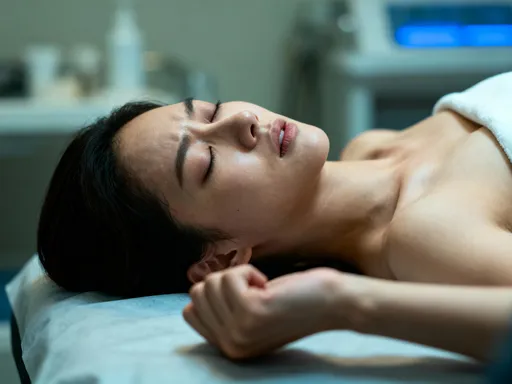
The benefits go beyond the physical. Regular massage has been shown to lower cortisol, the primary stress hormone, while increasing serotonin and dopamine levels. This biochemical shift can improve mood, reduce anxiety, and support better sleep. It also gives the nervous system a chance to reset. After a session, many report feeling both relaxed and energized—a paradoxical state that reflects true balance. For those managing busy households or demanding jobs, this reset can be transformative. It’s not about adding more to your schedule, but about creating space to recover. When your body feels supported, you’re better equipped to handle daily challenges with patience and clarity.
How I Built My Routine: Timing, Frequency, and Consistency
Integrating acupuncture and massage into daily life doesn’t require drastic changes. For me, it started with small, intentional choices. I began with a monthly massage, then added acupuncture every six weeks. Over time, I noticed I recovered faster from stressful weeks and slept more soundly. Now, I aim for a weekly or biweekly rhythm, depending on my energy levels and schedule. Mondays often include acupuncture—it sets a calm tone for the week. Fridays are for massage, helping me release the buildup of tension from work and family demands. Seasonal tune-ups, especially in spring and fall, help my body adapt to changes in weather and routine.
Finding the right practitioner made all the difference. I looked for licensed professionals with good reviews and a style that felt welcoming. A consultation before the first session helped me ask questions and express any concerns. It’s important to feel heard and respected. I also learned to listen to my body instead of following a rigid plan. Some weeks, I need deeper work; others, a lighter touch is enough. There’s no ‘perfect’ schedule—only what supports your current needs. Setting realistic expectations helped me stay consistent. I didn’t expect immediate transformation. Instead, I focused on subtle shifts: less stiffness, better sleep, fewer headaches.
Time and cost were initial concerns, but I reframed them as investments in long-term well-being. I adjusted other expenses—like dining out less—and treated these sessions as non-negotiable self-care. Many clinics offer package rates or sliding scales, making regular visits more accessible. Some insurance plans even cover acupuncture for certain conditions, so it’s worth checking with your provider. The key is sustainability. It’s better to have a monthly session you can maintain than a weekly one you can’t afford. Over time, the benefits compound. My body feels more resilient, my mind clearer, and my energy more stable. This isn’t about fixing something broken—it’s about nurturing what’s already working.
Combining Both: Why They Work Better Together
While acupuncture and massage are effective on their own, they create a powerful synergy when used together. Think of them as complementary forces: acupuncture works on the nervous system and energy flow, while massage addresses the physical structure of muscles and connective tissue. When combined, they support the body on multiple levels. For example, acupuncture can calm the nervous system, making the body more receptive to the physical release of massage. At the same time, massage can loosen tight muscles, allowing energy to move more freely—enhancing the effects of acupuncture.
A real-life example: after a particularly intense workweek, I once felt drained, with tight shoulders and trouble sleeping. I scheduled an acupuncture session on Thursday, focusing on stress and sleep regulation. By Friday, my mental tension had eased, and I felt more grounded. That afternoon, I had a deep tissue massage. Because my nervous system was already calmer, the therapist could work more effectively on the tight areas without triggering discomfort. The result was a deeper release than I’d experienced before. Over the weekend, I slept better and woke up with more energy. This kind of integrated approach turns recovery into a seamless process.
Creating a simple rhythm makes this accessible. Some choose acupuncture midweek and massage on weekends. Others alternate weeks, using one session to prepare for the next. The order can vary—some prefer massage first to loosen the body, then acupuncture to calm the system. There’s no single right way. The goal is consistency and awareness. By combining both, you’re not just treating symptoms—you’re supporting your body’s natural ability to heal and rebalance. Over time, this dual approach can reduce the frequency of flare-ups, improve recovery time, and enhance overall well-being. It becomes less about fixing problems and more about maintaining harmony.
Common Misconceptions That Hold People Back
Despite growing acceptance, many still hesitate to try acupuncture or massage due to common myths. One of the biggest fears is pain. With acupuncture, the needles are extremely thin—about the width of a human hair. Most people feel little to no discomfort, often describing the sensation as a slight tap or pressure. For massage, a good therapist checks in regularly and adjusts pressure to your comfort. It’s not about enduring pain to get results. Another misconception is that these practices are time-consuming. While sessions typically last 45 to 90 minutes, the benefits can last for days, making them a valuable use of time. Many find they gain back more energy than they spend.
Cost is another concern. While it’s true these services aren’t always covered by insurance, prices vary widely. Community acupuncture clinics, for example, offer low-cost group sessions. Some massage therapists provide discounted rates for regular clients. Viewing these as part of a health routine—like buying quality food or fitness classes—can shift the perspective from expense to investment. Cultural unfamiliarity can also be a barrier. Acupuncture, in particular, comes from traditional Chinese medicine, which may feel foreign to some. But modern practice is grounded in safety and science. Licensed professionals follow strict hygiene protocols and tailor treatments to individual needs.
Finally, some expect immediate, dramatic results. But like exercise or healthy eating, the benefits of acupuncture and massage build gradually. You may not feel different after one session, but over time, patterns shift. Sleep improves, tension decreases, and resilience increases. It’s not about chasing a quick fix, but about creating sustainable change. Letting go of perfection and embracing progress makes the journey more enjoyable. These practices aren’t for everyone, but they’re more accessible and effective than many assume. The best way to know is to try—with an open mind and a qualified professional.
Making It Sustainable: Mindset Over Hype
The most important shift I’ve made isn’t in my schedule—it’s in my mindset. I no longer see acupuncture and massage as emergency fixes for when I’m ‘falling apart.’ Instead, I view them as daily wellness habits, like drinking water, eating nourishing food, or taking a walk. This reframing changes everything. When self-care is part of your routine, not a crisis response, it becomes easier to maintain. You’re not waiting for burnout to act. You’re supporting your body before it reaches that point. This proactive approach fosters resilience, helping you navigate life’s demands with greater ease.
Sustainability comes from consistency, not intensity. It’s better to do a little regularly than a lot occasionally. Start small—a single session, one type of treatment, one goal like better sleep or less neck pain. Notice how your body responds. Keep a simple journal if it helps. Over time, you’ll begin to see patterns. Maybe you sleep deeper after acupuncture, or your shoulders stay loose longer with regular massage. These observations build confidence and motivation. You’re not following trends—you’re learning what works for you.
Wellness isn’t about perfection. Some weeks you’ll miss a session. That’s okay. What matters is returning to the practice without guilt. This is self-care, not self-judgment. By treating your body with kindness and attention, you send a powerful message: you matter. And when you feel better, everyone around you benefits—your family, your work, your community. These practices aren’t selfish; they’re sustaining. They help you show up as your best self, not just for today, but for the long term.
In closing, I encourage curiosity. If you’ve never tried acupuncture or massage, consider one session—not with high expectations, but with openness. Pay attention to how you feel afterward. Notice changes in your body, your mood, your energy. You don’t have to commit to a long-term plan right away. Let your experience guide you. These are not miracle cures, but tools—gentle, time-tested, and deeply human. When used with intention, they can become part of a balanced, vibrant life. Always consult your healthcare provider before starting any new wellness practice, especially if you have underlying health conditions. But within safe, informed choices, there’s room for exploration, growth, and lasting well-being.