Tired of family workouts turning into chaos? This online fitness fix changed our routine
Remember those hopeful days when we all said, “Let’s get fit together!”—only to end up with mismatched schedules, zero motivation, and kids running wild? I’ve been there. As a busy parent juggling work and home life, finding a shared activity felt impossible—until we tried online fitness courses designed for families. What started as a last resort turned into something unexpected: real connection, laughter, and progress. Here’s how one simple change brought movement, joy, and balance into our daily lives.
The Family Fitness Struggle: When Good Intentions Fall Apart
Let’s be honest—how many times have we stood in the living room, yoga mats half-unrolled, trying to rally the troops for a “fun family workout,” only to watch it spiral into chaos? I remember one Saturday morning when I’d planned a peaceful 20-minute session. I dimmed the lights, played calming music, and said, “Okay everyone, let’s stretch and start the day right!” Within three minutes, my youngest was doing cartwheels, my older one claimed she had homework (on a weekend!), and my partner quietly slipped into the kitchen to make coffee. It wasn’t their fault. The truth is, traditional fitness routines often assume perfect timing, perfect focus, and perfect cooperation—things real families rarely have.
We’ve all been sold the dream of healthy family habits: morning jogs, weekend hikes, after-dinner walks. But reality hits hard when soccer practice overlaps with piano lessons, someone’s got a stomach bug, or work emails pile up. The guilt creeps in. We want to be active, to model good habits, to spend quality time—but how? Signing up for a gym membership felt like adding another chore. Group classes required planning like a military operation. And honestly, who has the energy to drive across town after a long day? The bigger issue wasn’t laziness—it was logistics. Our good intentions kept colliding with the beautiful mess of everyday life.
What made it worse was how isolated I felt. I thought I was failing. Why could other families do it? Then I realized: maybe it wasn’t about willpower. Maybe the problem wasn’t us—it was the system. We were trying to fit our lives into rigid fitness models that weren’t built for real families. The turning point came when I stopped asking, “How can we make this work?” and started asking, “What would actually work for us?” That small shift in mindset opened the door to something better.
Discovering Online Fitness: A Reluctant Experiment
I didn’t discover online fitness because I was inspired. I discovered it because I was desperate. Last winter, during a particularly gray week of endless rain and remote school, I hit a wall. Everyone was sluggish, screen time was through the roof, and even our dog seemed bored. I needed a reset—but going out wasn’t an option. That’s when a friend mentioned she’d been doing short online workouts with her kids. “No pressure,” she said. “Just hit play and move a little.” Skeptical but willing to try anything, I searched for “family-friendly fitness videos” and signed up for a free trial.
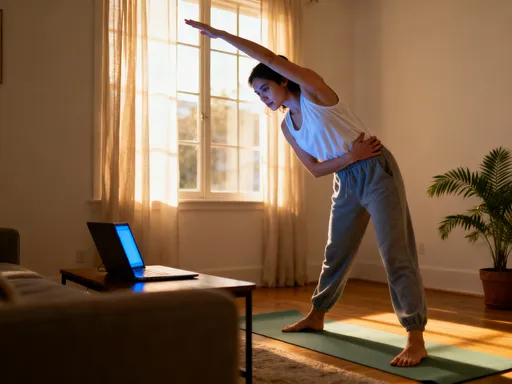
The first session was ten minutes long—just a simple warm-up and some playful stretches. I didn’t tell the kids it was “exercise.” I called it a “movement break” and said, “Let’s try this fun video together.” To my surprise, they agreed. We stood in the living room, clicked play, and followed along as a cheerful instructor guided us through animal walks—bear crawls, frog jumps, snake wiggles. My son burst out laughing during the kangaroo hops. My daughter actually stayed focused. And me? I felt my shoulders relax for the first time in days.
That ten-minute experiment didn’t transform us overnight. But it did something important: it broke the inertia. For the first time, movement didn’t feel like a chore or a performance. It felt accessible. There was no pressure to be perfect, no one judging our form, and no need to coordinate schedules. We could do it in pajamas. We could pause if someone needed water. We could repeat the fun parts. It wasn’t about burning calories—it was about reconnecting. And that tiny win gave me the courage to keep going.
Why It Works: Flexibility, Fun, and No Judgment
Here’s the magic of online fitness for families: it adapts to you, not the other way around. Unlike a gym class or scheduled session, you’re in control. You choose when, where, and how long. That flexibility is everything when life is unpredictable. Sick day? Do a gentle stretch video before lunch. Crazy afternoon? Try a five-minute energy booster between homework and dinner. Traveling? Many platforms work on tablets or phones, so you can keep the routine going even in a hotel room.
But it’s not just about convenience. The real game-changer is the atmosphere. In a traditional class, there’s often an unspoken pressure to keep up, to look a certain way, to not be “the one” who’s struggling. Online, that pressure vanishes. You’re in your space. You can wear whatever you want. You can modify moves, take breaks, or even do part of the workout while holding a toddler. There’s no audience, no comparison, no judgment. Just movement that feels safe and welcoming.
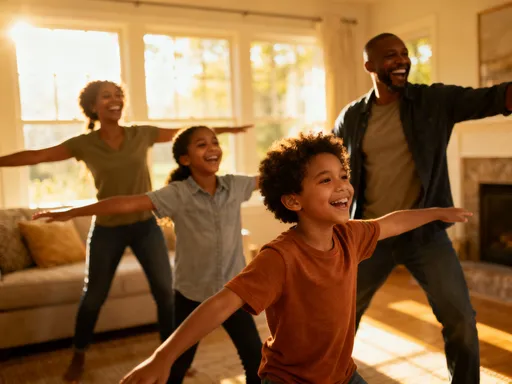
And let’s talk about fun—because that’s what gets kids (and adults!) to actually participate. Many family programs are designed like games. One of our favorites is a “superhero training” session where each move has a theme: “power push-ups,” “laser lunges,” “shield squats.” Another is a dance-based cardio video that feels like a mini concert. When exercise feels like play, resistance disappears. I’ve watched my kids beg to do “one more round” of a movement game—something I never thought I’d see. The emotional shift is real: instead of dreading fitness, they now see it as a highlight.
Building Connection Through Movement
One of the most unexpected gifts of our online fitness journey has been connection. Before, family time often meant sitting together on the couch, each of us on a different screen. Now, we move together. We laugh. We cheer each other on. It’s not just about physical health—it’s about presence. In a world that pulls us in a hundred directions, these moments of shared movement have become sacred.
We started small. A daily “movement break” after school. Then we added a weekly “family fitness challenge”—like seeing how many steps we could take together in a week, tracked through a simple app. We celebrated with high-fives and silly rewards: the winner got to pick the next movie night film. Another favorite is partner stretches—simple exercises where two people work together, like seated forward bends or mirror movements. These moments create natural opportunities for touch, eye contact, and encouragement.
There’s something powerful about facing a challenge as a team. When my daughter wobbled during a balance pose and I gently held her hand, it wasn’t just about stability—it was about support. When my husband pretended to be “defeated” during a playful strength round and my son “saved” him with a victory squat, it wasn’t just exercise—it was storytelling. These aren’t just workouts. They’re shared experiences that build trust, resilience, and joy. And in the process, we’re teaching our kids that taking care of your body isn’t a solo mission—it’s something you can do together.
Adapting for All Ages: From Toddlers to Grandparents
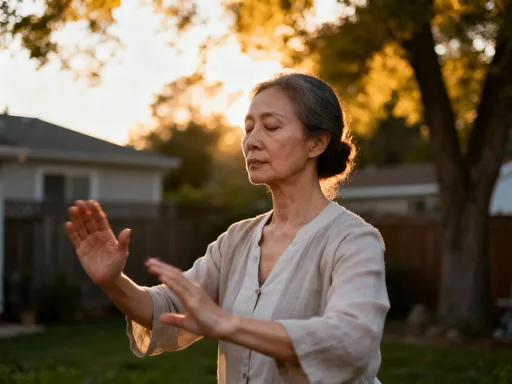
One of the most beautiful surprises has been how inclusive online fitness can be. I assumed it would be just for parents and school-age kids. But then my mom visited and asked, “Can I join?” We found a low-impact mobility class designed for all ages, and suddenly, we had five generations moving together—well, almost! My nephew, age three, bounced beside my mom, who’s 68, both smiling and following the same routine at their own pace.
That’s the beauty of well-designed programs: they offer modifications for every level. A cardio burst might include a high-intensity version for teens, a moderate one for adults, and a seated option for older relatives or those with mobility concerns. Yoga sessions often suggest using chairs or walls for support. There are even classes specifically for grandparents and grandchildren, focusing on balance, coordination, and fun.
This inclusivity has deepened our family bonds in ways I didn’t expect. My mom, who used to say, “I’m too old for this,” now looks forward to our weekly “gentle movement” session. She’s noticed she sleeps better and feels stronger. My kids love showing her the moves they’ve learned. It’s not about performance—it’s about participation. And when everyone feels welcome, fitness stops being a solo goal and becomes a shared value. It sends a quiet message: your body matters, no matter your age.
Practical Tips: Making It Stick Without the Stress
So how do you make this a lasting habit without burning out? The key is simplicity. We didn’t start with hour-long sessions or strict schedules. Instead, we focused on consistency over intensity. Here’s what worked for us: First, we stopped calling it “exercise” and started calling it “our movement time.” That small language shift made it feel less intimidating and more inviting.
Next, we set a “movement reminder” instead of a rigid schedule. We picked a general window—like “after dinner” or “before homework”—and treated it as a flexible invitation, not a rule. If one day didn’t work, we simply tried again the next. We also created a shared playlist of upbeat songs we all liked, which we play during dance sessions. Music sets the mood and makes it feel like a celebration, not a task.
Another tip: keep it short. Five to ten minutes is enough to build momentum. You can always add more later. We also celebrate small wins—like “We did three days in a row!” or “Everyone tried a new move!”—with genuine praise, not material rewards. And finally, we use a tablet mounted on a stand so everyone can see the instructor clearly. No tech expertise needed—just Wi-Fi and a willingness to try.
The goal isn’t perfection. It’s progress. It’s about creating a rhythm that fits your life, not fighting against it. When you remove the pressure, consistency naturally follows.
More Than Exercise: Calmer Moods, Stronger Routines
The benefits we’ve seen go far beyond physical fitness. Yes, we’re more active. Yes, we’ve gained strength and flexibility. But the deeper changes are emotional and relational. My kids seem calmer after a movement session. They transition better into homework and bedtime. My husband says he feels less tense during the workweek. And me? I’ve noticed I’m more patient during morning chaos—maybe because I’ve already moved my body and cleared my mind.
There’s science behind this. Physical activity boosts endorphins, reduces stress hormones, and improves sleep quality—all of which affect mood and behavior. But in our home, it’s not just about biology. It’s about rhythm. These small movement breaks create natural pauses in our day, moments of reset. They help us shift from reactive to present. We’re not just building stronger bodies—we’re building a calmer, more connected household.
Even our screen habits have improved. Instead of reaching for devices the moment we get home, we often ask, “Should we do a quick video?” It’s becoming our new default. And when we do use screens, it feels more intentional. Movement hasn’t replaced technology—it’s balanced it. We’re teaching our kids that their bodies are for more than sitting. They’re for jumping, stretching, dancing, and connecting.
Over time, this small habit has quietly reshaped our family culture. We’re more aware of how we feel. We talk more about energy, mood, and rest. We’ve created a shared language around well-being. And most importantly, we’ve shown each other that self-care isn’t selfish—it’s something we do together.
A Simpler Way to Thrive, Together
Looking back, I realize we weren’t failing at family fitness. We were just using the wrong tools. Online fitness didn’t demand that we change who we are. It met us where we were—busy, imperfect, and full of love. It gave us a way to move, laugh, and connect without adding stress.
It wasn’t about perfect form or daily workouts. It was about showing up, moving, and being present. Some days are longer, some are just five minutes of dancing in the kitchen. But each time we press play, we’re choosing each other. We’re choosing health, not as a goal, but as a practice. And in that practice, we’ve found something rare: a simple, joyful way to thrive—side by side.
If your family feels stretched thin, if your fitness dreams keep getting derailed by real life, I want to offer this: you don’t need a gym. You don’t need perfect timing. You just need a few minutes, a screen, and a willingness to try. Because sometimes, the smallest shift—a single video, a shared laugh, a moment of movement—can lead to the biggest change. And who knows? Your next family memory might not happen on a screen. It might happen because of one.